

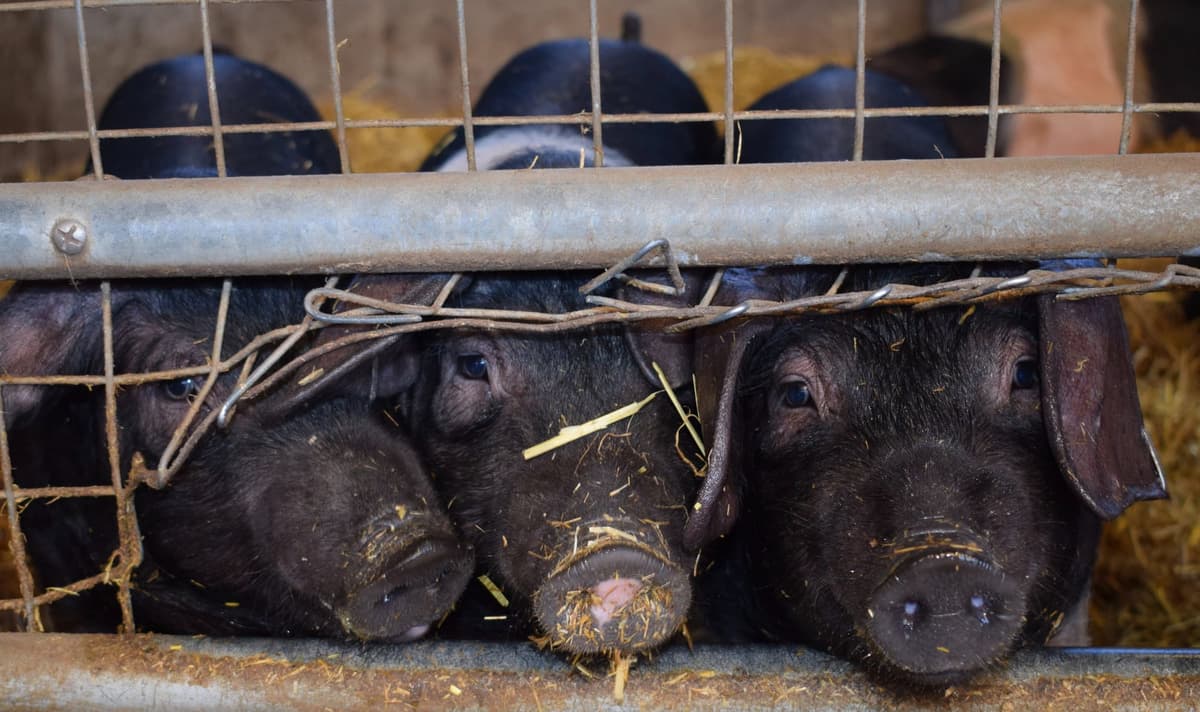
According to the Spanish Ministry of Agriculture, Chinese authorities have approved an additional eight Spanish pig farms for the supply of pork to China. This increases the number of companies in Spain recognized for pork exports to China to 57. A year ago, there were only 28.
Spain surpassed Germany last year as the main supplier of pork from so-called 'third countries' to China. According to current figures from the Spanish agricultural department, exports of Spanish pork products to China amounted to a total of 1.13 billion euros in 2019; that was 119 percent more than the previous year.
Pork is the most important product in Spain's agricultural exports to China. In 2019, according to Madrid, it accounted for 55 percent of the total agricultural exports to the People's Republic, up from 36 percent the previous year. German exporters supplied 323,134 tons of pork to China last year. Spanish suppliers exported 381,630 tons of fresh pork during the same period. After Spain, Germany, and the United States, Denmark ranked fourth in Chinese pork imports in 2019.
Promotion
Because African swine fever has wiped out nearly half of the piglets and pigs in China, China also decided earlier this month to import more piglets and sows. This is aimed at rebuilding a fully viable domestic pig population. Beijing has established a special screening process for foreign suppliers for this purpose.
Incidentally, the spread of African swine fever is now nearly at Germany's doorstep. According to information from Euronews, this disease, which affects both wild boars and farmed pigs, has come closer to Europe in recent weeks. In western Poland, just ten kilometers from the German border, infected wild boar carcasses have been found in recent weeks. Boars can transmit the disease to pigs but not to humans.
According to Euronews, nearly 35,000 pigs were culled in northeastern Poland last year, and already 24,000 animals have been culled as a precautionary measure this year. To halt African swine fever, a special task force was established in Dresden, near the Polish border. This aims to protect the flourishing German pork industry. Consequently, a fence 130 kilometers long is planned to be erected.