

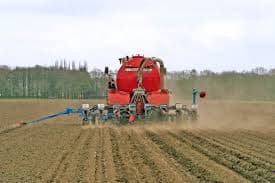
Fliegl operates internationally with over 1,000 employees. Stapel is significantly smaller with about 50 employees but specializes in liquid manure technology. Fliegl is especially known for its heavy machinery used in transporting manure and agricultural materials, while Stapel is a specialist in manure processing technology.
The aim of the merger between Nagel and Fliegl is to focus on the areas of liquid manure technology and tractors. Efficiency and product development in both fields are also intended to be increased and accelerated.
Organic fertilization in Austria is facing a technical shift due to regulations against nitrate pollution. The spreading technology for manure and digestate—with lower emissions—will become even more complex under stricter environmental requirements starting in 2025. The government has implemented an incentive program to improve investment support for agricultural businesses. There is considerable interest within agriculture for subsidies for new technology.
Promotion
On agricultural land that is not permanent grassland or arable land where a follow-up or catch crop has been grown by October 15 at the latest, it is forbidden from November 15 through February 15 to apply nitrogen-containing mineral fertilizers, manure, biogas manure, and non-dewatered sewage sludge.
Fliegl, with its agricultural machinery such as dump trailers and manure spreaders, aims through this collaboration to expand and improve its product portfolio. Stapel, with its manure processing technology, views the collaboration as an opportunity to gain access to Fliegl's strong position in the agricultural machinery market.
An important part of their partnership concerns the segment of agricultural trailers. Both companies have a strong reputation for producing transport vehicles for the agricultural sector. The joint development will primarily focus on improving machines for harsh conditions, such as transporting manure and harvested materials.
In a press statement, both companies emphasize that the collaboration is aimed at the long term. They claim to want to work together on the agricultural machinery of the future that better meets the demands of modern, sustainable agriculture.