

The global chemical company Bayer is halting its nearly $1 billion project to build a factory for producing the pesticide diacamba in the United States.
However, Bayer also states that this decision is unrelated to the recent ban on the sale and use of diacamba herbicides. A federal court last week prohibited the sale and use of the three dicamba registrations Xtendimax, Engenia, and FeXapan.
The Germany-based company is saving money because it faces an expensive legal battle to counter accusations against another Bayer product, the glyphosate-based herbicide Roundup. Bayer says it is coincidental that the halt of the diacamba plant coincides with the judicial ban on spraying diacamba.
Promotion
The company stated that it is stopping work on the new plant due to a global overcapacity which makes the investment less attractive. Instead, Bayer will continue to purchase dicamba and manufacture its XtendiMax herbicide at another facility, according to a statement.
The ban caused confusion in US agriculture as farmers finalized their planting. The US is the world’s second-largest exporter of soybeans, and various states had different interpretations of the ban. The federal review agency EPA then said that farmers have until July 31 to use their stocks of dicamba-based herbicides.
US environmental groups and organic farmers argue that the use of dicamba herbicides should be banned immediately, not in six weeks’ time.
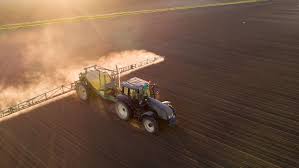
Besides Bayer, dicamba is also produced by BASF and American competitor Corteva. Their products are also affected by the court ruling. The three herbicides are sprayed on genetically engineered soybeans and cotton. It is known that these products can drift after spraying and damage nearby crops that are not resistant to the chemical.
According to producer Bayer, about 60% of the US soybean crop is expected to be planted this year with Bayer’s dicamba-resistant Xtend soybeans. These must be sprayed to control weeds that have developed tolerance to another chemical, glyphosate.