

The company's announcement was followed by a surge in the Frankfurt stock exchange: the Baywa share rose by more than 15 percent to around 12.70 euros. However, over the past twelve months, Baywa shares have lost over 60 percent of their value.
In the first version of their recommendations, experts from management consultancy Roland Berger conclude that Baywa "can be restructured under certain conditions and that its operational competitiveness and profitability can be restored in the medium term." This means it is only possible if additional financing of half a billion euros (from government, banks, and shareholders?) is also provided.
Potential restructuring includes "numerous operational cost-saving measures" and the sale of individual business units. CEO Marcus Pöllinger had already announced socially acceptable job losses in June. The group employs around 25,000 people worldwide, and its main area of activity is trading in agricultural products. Which parts of the company can or must be sold was not disclosed in the first report.
Promotion
The report contains an initial outline of a restructuring plan, which is essential for the survival of the company that has been struggling with major financial problems since 2021. A net loss of 93 million euros in 2023 (just on interest!) had already risen to 108 million euros earlier this year. The company’s debt burden now exceeds 5.5 billion euros.
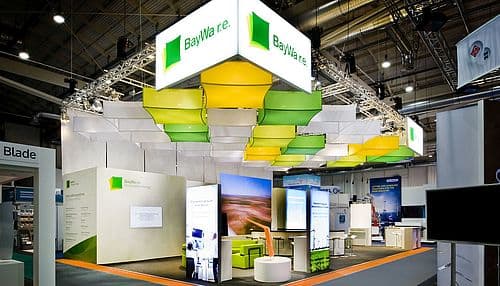
According to Handelsblatt, Baywa intends to sell its majority stake in the green electricity subsidiary Baywa re to its Swiss co-shareholder EIP. This has not been confirmed by the company. It remains uncertain whether there will be personnel consequences for Baywa’s management.
Last month, BayWa secured a temporary agreement with its main banks and shareholders, arranging a bridge financing of 550 million euros. Now that a restructuring expert has been appointed and the first report released, it is expected that banks and financiers will be willing to provide further bridging finance.
As part of the restructuring, BayWa has appointed Michael Baur as Chief Restructuring Officer (CRO). Baur, an expert in corporate restructuring, will work with the board to develop a strategy to reform the company.