

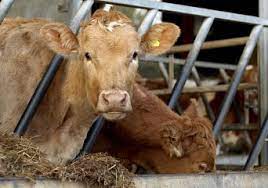
An agricultural animal disease research institute in Surrey identified the disease in the cow through an annual bluetongue surveillance program. The cow has been culled to reduce the risk of further disease transmission. A 10-kilometer control zone has been established around the affected farm.
There has been a recent increase in the number of bluetongue cases in Europe. Several strains of the animal disease are circulating, with thousands of outbreaks now confirmed.
The Netherlands reported the first outbreak since 2009 in September, followed by Belgian authorities in October. In September, French authorities confirmed the presence of a new strain of the disease, BTV-8, which causes more severe clinical symptoms in cattle and sheep.