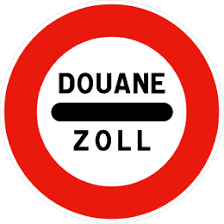
The United Kingdom is allocating 800 million euros for the construction of new customs offices and storage warehouses that will be needed starting next year. Border traffic with EU countries will no longer fall under the EU customs rules because the British are leaving the bloc.
After the UK’s departure from the EU, British customs must more strictly inspect goods entering the United Kingdom from EU countries. Approximately 525 million euros of the amount will go towards constructing customs areas (‘somewhere in the British mainland’) to inspect the cargo of trucks. There is no room for this in British ports. The remainder of the funds is intended for purchasing software, equipment, buildings, and hiring 500 additional customs officers.
Brexiteer Boris Johnson has always stated that after Brexit, there would be no delays in the import and export of goods, and no bottlenecks would arise in the ports. It also became clear last week from leaked documents that British trucks carrying goods for EU countries may only take to the road once they have received a special ‘permit.’ British authorities want to avoid congestion at port areas because the cargo does not yet have the proper paperwork.
The announcement follows the leak of a confidential letter from Minister Truss for International Trade. In it, she expresses concern about the government’s plan to increase controls on goods from the EU but only gradually. Thorough inspections will not begin until July 1. Truss fears, among other things, that smugglers will take advantage of this.
No decision has yet been made regarding the sensitive issue of the border between the EU member state Ireland and the United Kingdom. Everyone agrees that there should be no border controls between Ireland and British Northern Ireland.
However, Northern Irish authorities do not want controls between Northern Ireland and the rest of the United Kingdom either, as they want to remain fully part of it. Ireland will only negotiate with London once the British can clearly explain how they envision this ‘customs-without-a-border.’
The preparation for the new situation is further complicated by the coronavirus crisis. In negotiations over a new border and customs system and a new trade agreement, there has already been a months-long delay. The EU and the British government have not yet agreed on the rules that will apply.
If the negotiators fail to reach an agreement, this will mean, among other things, that EU countries will impose import taxes on British goods and services, and vice versa. European diplomats have pointed out that the British have had years to prepare for all kinds of arrangements and have known from the start what would come their way if they wanted to leave the EU.