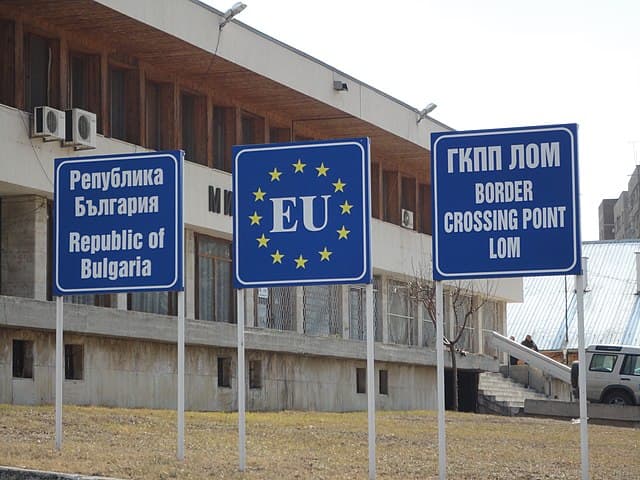
The ministers will not take a decision on Tuesday, December 5, but will only receive a progress report. Bulgaria and Romania will therefore have to wait a little longer before they can join the area of free movement of goods and people.
Both countries have been candidate members of the Schengen Agreement for many years. However, admission has long been blocked due to objections concerning persistent high levels of crime, deficient judiciary, and weak prosecution.
Earlier this year, the European Commission judged that the two countries now meet European criteria and conditions, but this is disputed by Austria and the Netherlands. This has already led to recurring disagreements in the corridors of various ministers' meetings.
The Netherlands maintains its position and remains opposed to Bulgaria's accession to the Schengen area, as recently reported by the newspaper Trouw. Despite the positive assessment by the European Commission, Austria and the Netherlands point to ongoing concerns about the security situation and judicial system. In particular, the widespread crime remains a point of concern.
Earlier this year, Bulgaria asked the Netherlands to send Dutch experts to the border with Turkey to observe how the Bulgarians operate there. The Dutch experts could then provide advice and clarify what the Netherlands expects from Bulgaria, said the new Bulgarian prime minister Denkov.
However, no decision has yet been made by The Hague regarding the invitation, let alone a breakthrough in Bulgaria's accession to the Schengen area. Meanwhile, the Dutch Prime Minister Rutte has resigned, and work is underway to form a new cabinet. In this caretaker situation, no new Dutch position is expected.