

Trade relations between Australia and China are thawing, which also benefits the export of agricultural products that had been frozen until now.
The easing comes ahead of an important visit by the new Australian Prime Minister Anthony Albanese to Beijing. No date has been set yet, and it remains unclear whether it will be an (exceptional) state visit or a (regular) working visit.
For Australian agriculture, the thaw in cooled trade relations is a welcome development. China was formerly an important market for Australian grain, especially barley.
Promotion
A new Labor government has been in power in Australia since last year. Earlier this year, China had already resumed importing Australian coal and other raw materials.
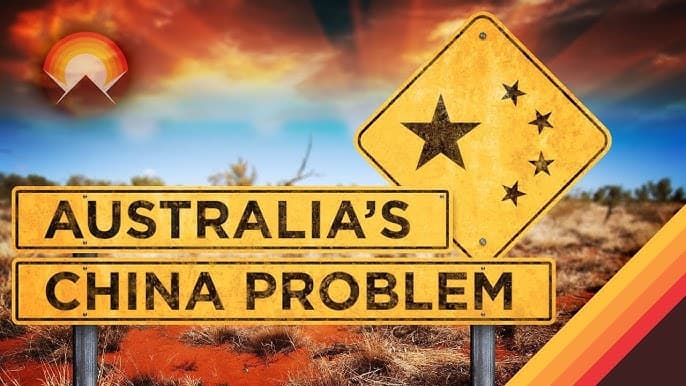
Three years ago, China imposed high fines on imports of Australian dairy and agricultural products as an angry response to Australia’s call for an investigation into the origins of the coronavirus, which was suspected to have come from China. As a result, that trade had almost come to a halt.
Political tensions between the two countries have significantly increased over the past years due to various issues.
For example, China is unhappy that Australia has joined the US Navy fleet in Asian waters aimed at curbing the expansion of China’s sphere of influence towards Taiwan and the Philippines. The European Union has also become involved in this arena of the US-China trade confrontations.