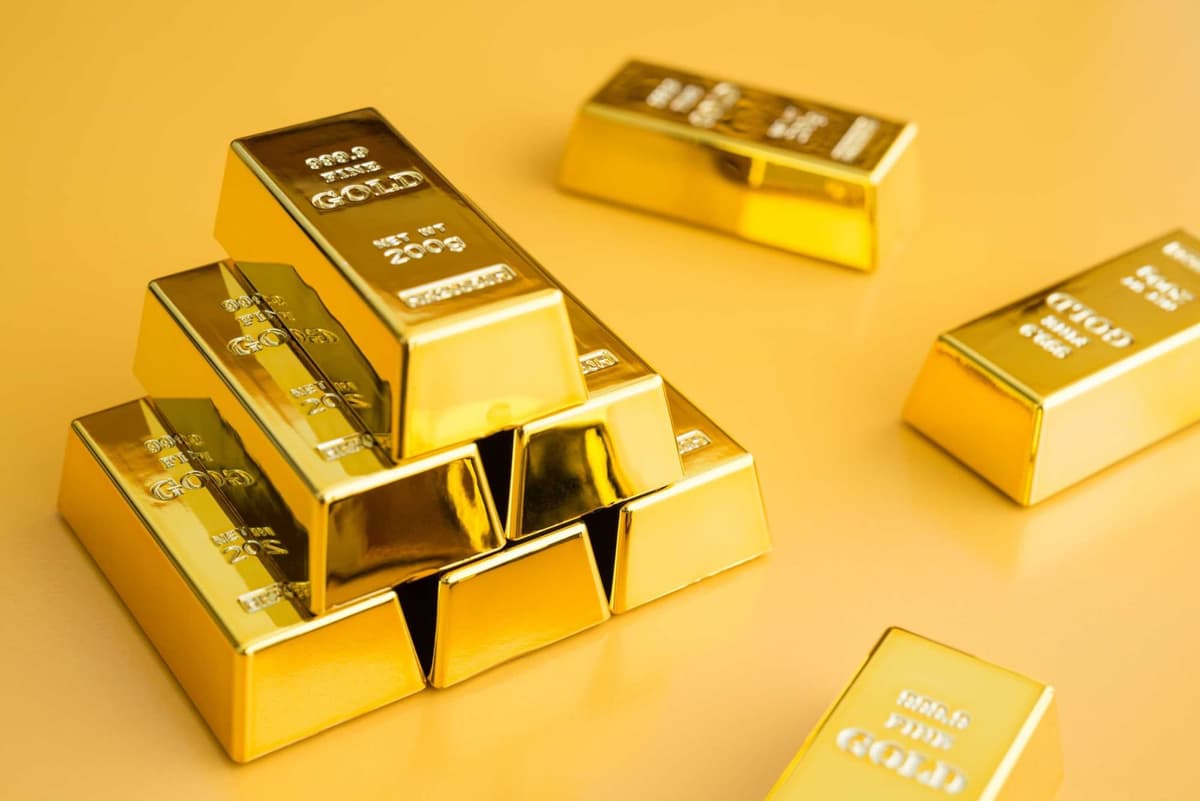
It is still unclear whether the measure will also apply to Swiss gold. The U.S. government promises to clarify this soon.
The higher tax primarily affects Swiss metal industry, watches, and other luxury goods. Pharmaceuticals appear to be exempt for the time being. Because many products can only be made in Switzerland, it is difficult to relocate production. This threatens to push prices up or reduce sales.
Swiss President Karin Keller-Sutter tried last week in an emergency meeting with her U.S. counterpart Trump to stop the tariff. She was unsuccessful. Switzerland is now attempting to limit the damage through diplomatic consultations.
The U.S. government says the higher import tax is part of a larger package of measures against many countries. Switzerland feels particularly hard hit. Compared to other countries, the rate for Switzerland is high. For example, the European Union faces a 15 percent tariff.
Gold suddenly became a major issue last Friday. At first, it seemed that gold bars would also be subject to the increased U.S. tariff. This caused gold prices to rise and unrest in the market. Later reports suggested that this might not be correct and that clarification would come soon.
According to Swissinfo, the White House states that it will soon clarify whether the tax will also apply to gold. Until then, uncertainty remains. If gold is taxed, it could have major consequences for Switzerland, which is an important center for international gold trade.