

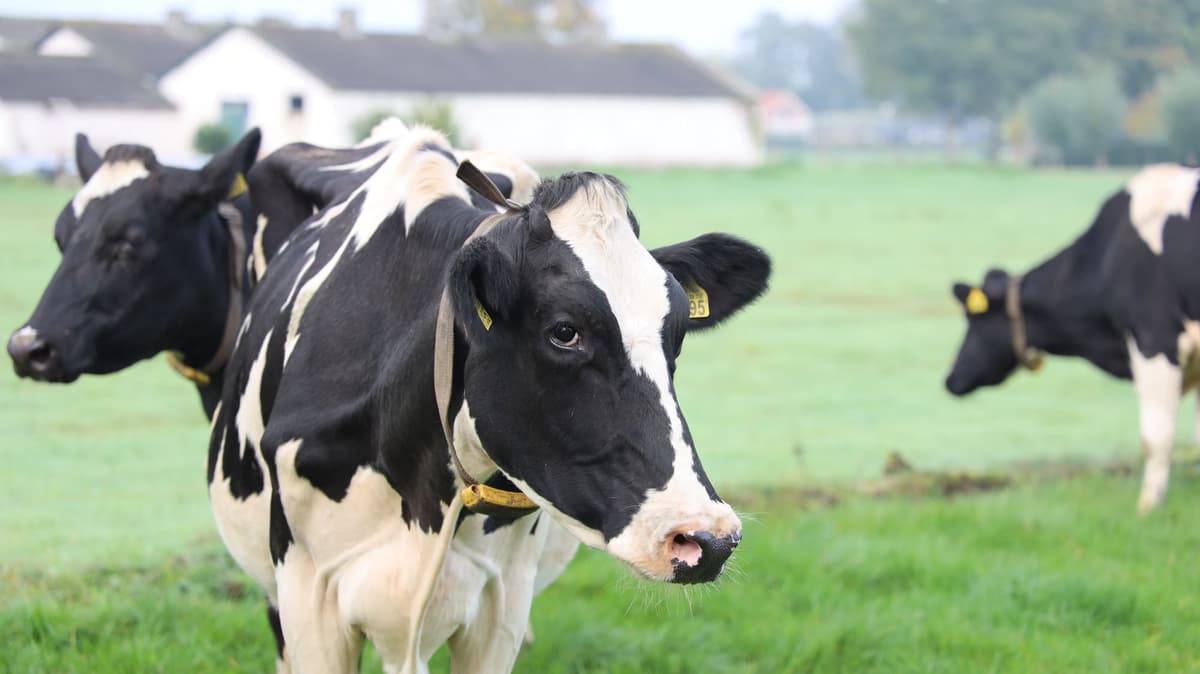
If New Zealand wants to adhere to its climate goals, the livestock and milk production must be reduced by up to fifteen percent. This is recommended by a commission report recently presented, as reported by the NZ Herald.
According to the newspaper, current climate plans require a reduction of about ten percent, but this must be further increased by 2030 if New Zealand wants to meet its reduction targets, say the report authors.
The total livestock of dairy cows, sheep, and cattle must be reduced by up to 15 percent. According to the National Dairy Association, dairy farmers in New Zealand produce approximately 21 billion liters of milk annually. This corresponds to 3 percent of the global milk production. Although the nation has only five million inhabitants, it is the world’s eighth largest milk-producing country.
Promotion
According to the United Nations Food and Agriculture Organization, New Zealand is the country with the largest milk surplus in the world, followed by the United States and Germany. Ninety-five percent of the milk volume is exported.
At the same time, the report indicates that significantly more forest must be planted, 380,000 hectares more than currently planned. The authors emphasize that New Zealand, which already has large forested areas, needs additional forest areas.
Besides a reduction in agriculture, the report also demands a clear reduction in the coal and oil industries, cessation of imports of traditional cars, and stringent requirements to make homes “greener.”
New Zealand’s dairy industry produced a record amount of milk powder last year. According to the New Zealand Dairy Association (DCANZ), the production of dry milk powder rose last year by 0.8% to 1.903 million tons compared to 2019. The previous record in 2018 was 1.894 million tons.
Dairy giant Fonterra anticipated in December that it would process 1.525 million tons of milk powder this season, approximately 0.5 percent more than the previous dairy season. Analysts from ANZ Bank recently considered a production increase of 1% realistic. But in both cases, the 2020/2021 season could be a record season, although growth is likely to be moderate.