

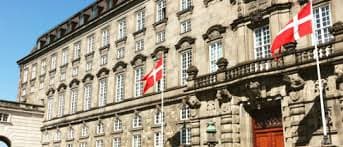
The Danish parliament began parliamentary hearings on Thursday regarding the manner in which all Danish mink were culled last year due to a coronavirus threat. This action effectively wiped out the entire Danish fur industry overnight.
In hindsight, doubts were raised about whether a newly discovered coronavirus variant was indeed so dangerous to the national public health.
In the Danish parliament, an important question is whether Prime Minister Mette Frederiksen knew she issued an illegal order when she instructed the military and police to cull all mink. She aimed to prevent the spread of a mutated COVID-19 virus. Frederiksen is scheduled to testify on December 9.
Promotion
Last year, the Prime Minister was accused of not knowing she lacked the authority to order the cull; blame was placed on officials and legal advisers at the Ministry of Agriculture, which led to the minister's resignation. Emails exchanged between the Prime Minister, ministers, and officials have since revealed significant disagreements between ministries about the COVID response. It appears the Prime Minister then took control of the process herself.
Prime Minister Frederiksen, along with several key ministers and government officials, will testify in the coming months before the parliamentary inquiry court. Until December, 61 individuals will be heard every Thursday and Friday by lawyer Jakob Lund Poulsen, who has been appointed as questioner.
The way Danish mink were initially buried in a nature reserve and subsequently had to be exhumed for incineration also caused considerable uproar in Denmark. The entire affair has severely damaged the reputation of the minority government.
Mink farmers later received total compensation exceeding 3 billion euros. Approximately 17 million mink were kept in Denmark.
The center-right opposition hopes the investigation will ultimately lead to impeachment proceedings against Prime Minister Frederiksen. Her decision followed warnings from health authorities that COVID infections among mink could undermine the vaccination of the population. Most parties in parliament agreed at the time.
Investigative committees are a new form of inquiry in the Folketing (Danish Parliament). The aim is to examine matters that have caused significant controversy. The committee's findings are expected within one year.