

The investigation is conducted under the banner of the International Criminal Court. The Dutch contingent again consists of military police detectives. They are supplemented by experts from other defense branches. The team's tasks are to conduct investigations and secure evidence. This takes place under the auspices of the International Criminal Court (ICC).
Netherlands and the Czech Republic are jointly fulfilling this deployment. It is certainly not without risk. Intense fighting continues in Ukraine.
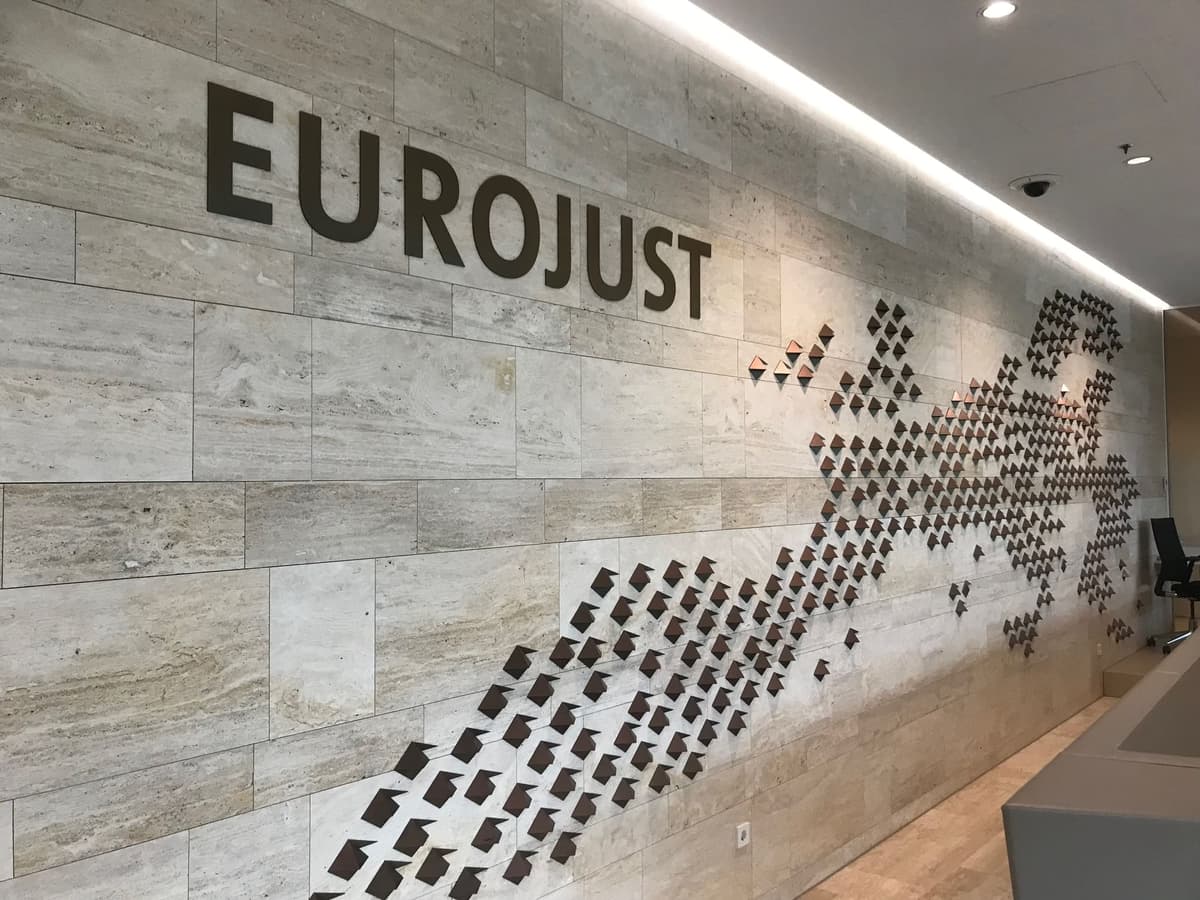
A year ago, Lithuania, Poland, and Ukraine established a joint investigation team (JIT) into serious international crimes committed in Ukraine. Subsequently, four more countries joined the team, and a special division was established at Eurojust in The Hague to collect, store, and analyze evidence.