

The resolution of the European Parliament supports the sanctions agreed upon by EU countries in recent days and calls, among other things, for limiting imports of Russian oil and gas, excluding all Russian banks from the international payment system SWIFT, and requests that the Nord Stream 2 pipeline not be put into operation definitively.
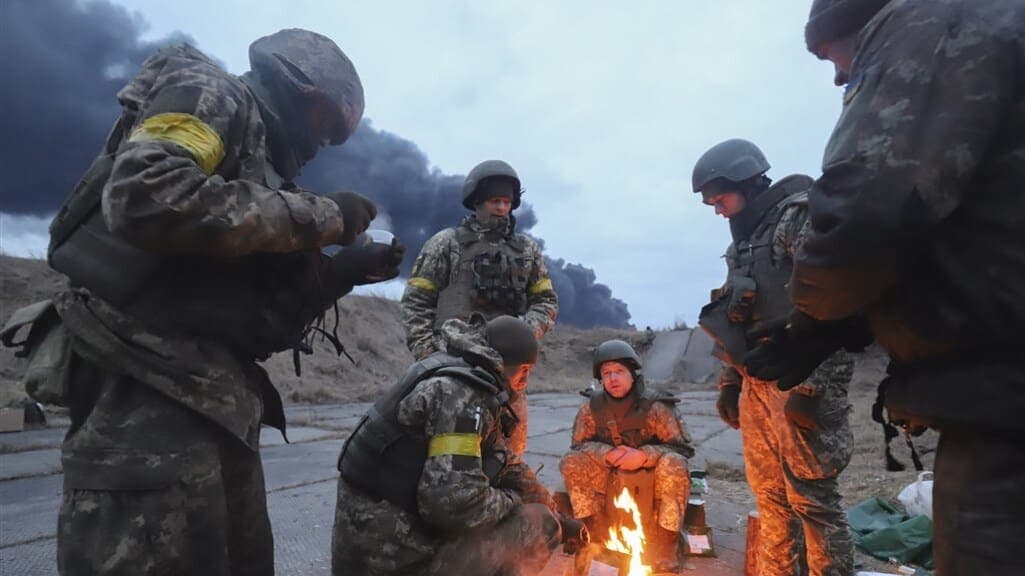
Many Members of the European Parliament emphasized how the Russian invasion of Ukraine marks the beginning of a new era for Europe and the world. They condemned the brutal aggression of Russian President Vladimir Putin and the Kremlin and expressed their admiration for how the Ukrainian army and people resist the attack and fight for their country, freedom, democracy, and common European values.
Some members advocated for recognition of Ukraine’s European aspirations and struggle for freedom by increasing the EU’s efforts to grant the country candidate membership status of the EU.
Promotion
Others stressed the importance of jointly addressing the consequences that sanctions against Russia will have on a European economy that is still recovering from a global pandemic, by providing support to the hardest-hit countries, as well as to businesses and citizens.
GreenLeft MEP Bas Eickhout said that the European Union has demonstrated in recent days that it can set aside political taboos for the greater interest of freedom and security in Europe. “This means the EU must accelerate energy efficiency and the energy transition. We need decisive and social plans to quickly end our dependence on Russian oil and gas,” Eickhout said.
The European Parliament supports applying European rules for the temporary protection of refugees. This allows refugees from Ukraine to receive immediate protection and exempts them from undergoing separate asylum procedures. In this way, they have immediate rights in all EU countries to accommodation, access to education, work, healthcare, and other crucial services.
GreenLeft also wants family reunification of refugees to be arranged quickly and flexibly, and refugees to be practically supported in reaching their accommodation locations. “It is now essential that the Netherlands and other EU countries cooperate generously in a fair distribution of refugees across the EU and prepare accommodation facilities as soon as possible. We cannot afford old disputes over asylum policy,” Eickhout said.