

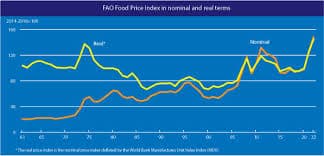
The Food Price Index of the Food and Agriculture Organization of the United Nations (FAO) fell for the fifth consecutive month in August. Last month, the price index dropped by 1.9 percent to 138 points, still 7.9 percent higher than a year ago.
The main cause of the decline was the price development of vegetable oils, which fell by 3.3 percent. According to the FAO, palm, sunflower, and rapeseed oil became notably cheaper. The index for vegetable oils, meat, dairy products, and grains all declined, partly because the global wheat price fell by 5.1 percent.
According to the FAO, cheaper wheat is due to improved production prospects in Canada, the United States, and Russia. Additionally, the resumption of exports from Ukraine has contributed. The price index for grains also decreased by 3.8 percent.
Promotion
On the other hand, the price index for maize rose slightly (1.5%), mainly due to poorer outlooks caused by hot and dry conditions in the US and Europe. However, the fact that exports from Ukraine are picking up somewhat tempered this increase.
The FAO dairy price index was at 143.5 points in August, two percent lower than in July. According to the FAO, international prices for butter and milk powder declined in August due to reduced demand. Conversely, global cheese prices rose for the tenth consecutive month.
Regarding meat, the food price index dropped by 1.5 percent. This marks the second decline after the record-high price index in June. Nevertheless, this year's price index in August remains 8.2 percent higher than in August last year.
Among other factors, prices for chicken fell due to reduced imports from major importers and a slightly increased global export. At the same time, global beef prices also declined as a result of weak domestic demand in some of the main exporting countries. In contrast, prices for pork rose due to the low supply of slaughter-ready pigs.