

The first civil trial has begun at the court in Frankfurt an der Oder, brought by a German beekeeper against his neighbor, a German farmer who sprayed his fields with glyphosate. As a result, an excessive amount of chemicals ended up in the honey.
In this civil case concerning the use of glyphosate and contaminated honey, the parties involved discussed the factual and legal situation of the case for the first time on Tuesday. The beekeeper Sebastian Seusing is demanding compensation of 70,000 euros for the unsellable contaminated honey. In total, more than four thousand kilos of honey and wax had to be destroyed.
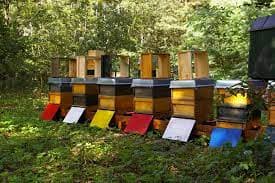
At the start of the trial, the focus was primarily on the exact location of the mobile beehives, and whether the beekeeper had a proper rental agreement for that spot. Although he had permission from the forestry office to place his boxes in the forest area, it appeared that they might have been located elsewhere. The rental agreement now needs to clarify the right of ownership.
Promotion
Furthermore, there was disagreement over who should have informed whom about the use of the pesticide or about the placement of the beehives. If the court rules in favor of the beekeeper, the verdict could send an important signal. Until now, beekeepers have usually borne the costs of damage caused from external sources themselves.
At the beginning of the trial, the judge stated that he would issue a ruling at the earliest on September 14 and that he would not make a general judgment regarding damages caused by glyphosate use.
However, the judge already indicated that due to the special circumstances, he would make decisions on a case-by-case basis and not deliver a general verdict on the use of glyphosate. To what extent new facts might change this remains to be seen.
Meanwhile, the Seusing couple has turned their back on beekeeping due to the losses. They are now employees of an organic farm.