

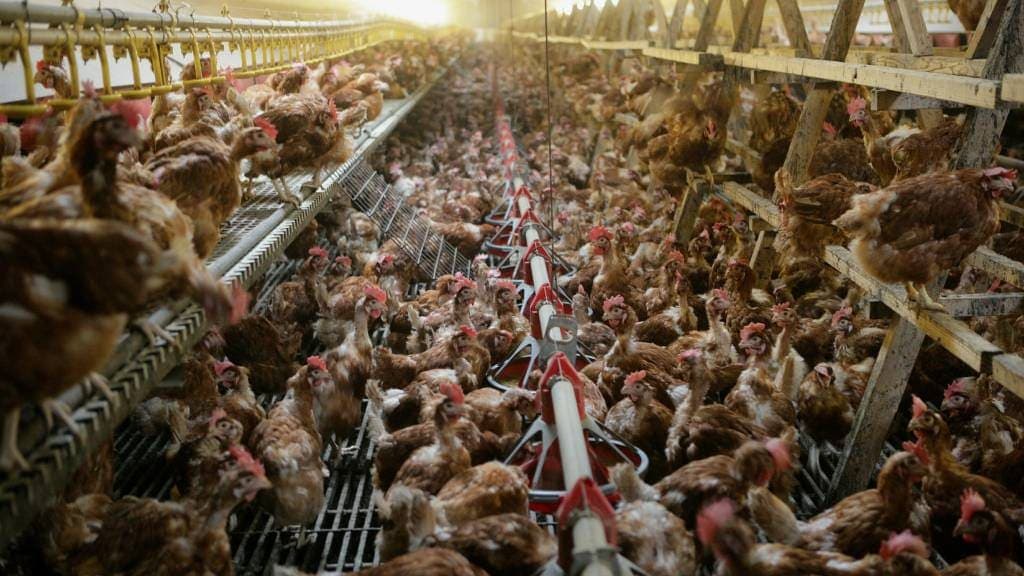
In France, the highly pathogenic avian influenza (HPAI) has led to the culling of so much poultry in recent weeks that carcass processors can no longer keep up with the work. The infrastructure for culling is organized regionally in France and has reached its regional limits, meaning carcasses must now, at least temporarily, be buried on the farm premises.
In the chicken and egg trade, nearly one million laying hens have already been culled this month. The trade associations of the poultry industry are demanding higher compensation from the government in Paris for the affected companies. The Social Agricultural Fund (MSA) announced emergency aid of 7 million euros.
So far, the spread to the Brittany province, where the density of poultry farms is highest, has largely been prevented. The creation of a “firewall” may have contributed to this, wherein preventive reductions of stocks in manure businesses and transportation bans were established in 73 villages between the two regions.
Promotion
The situation in the Dordogne is also being monitored with concern. Although only 38 outbreak cases have been recorded in this department, the spread appears to be continuing. Authorities have now ordered an expansion of preventive cullings to protect foie gras production in the region.
In the southwest of the country, where the first hotspot of the current epidemic developed, the situation is relatively stable. There are currently 370 registered cases of infection in the region, which is mainly known for duck fattening. However, in the Loire river basin, the spread of the disease has accelerated.