

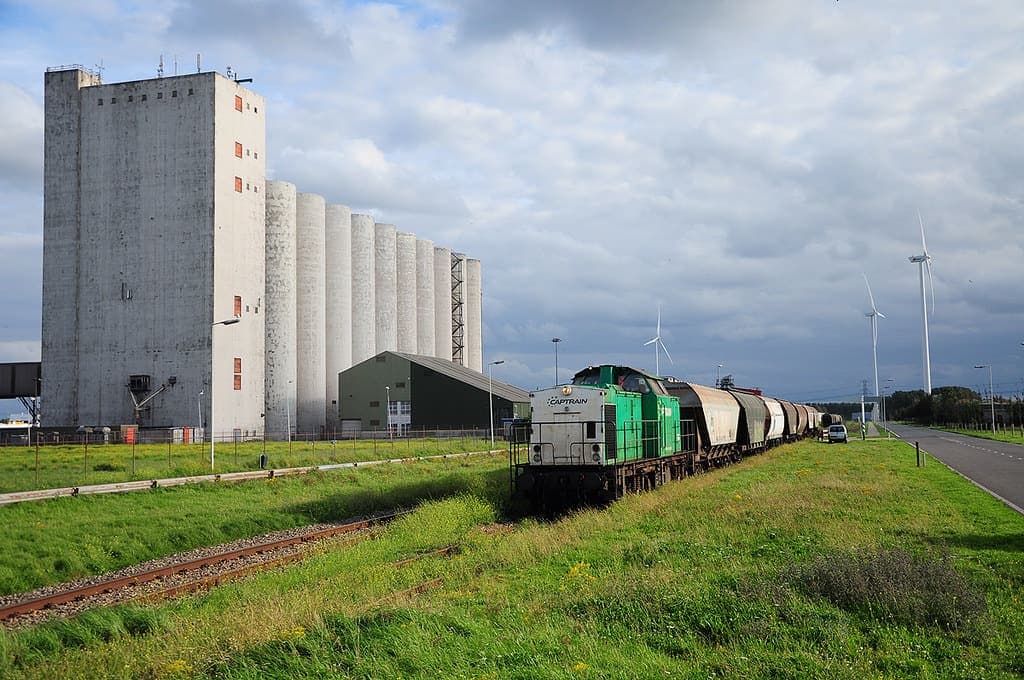
The seven richest Western industrial countries and the European Union want to ensure that Ukraine can remain an important grain exporter despite the Russian invasion. Currently, more than 25 million tons of grain are stored in Ukrainian ports, mainly in Odessa, but due to the war, it cannot be transported.
The European Union has called on the customs authorities of the four EU countries bordering Ukraine (Slovakia, Poland, Romania, and Hungary) to prioritize the processing of Ukrainian transports. Earlier, the EU decided to suspend all import duties on Ukrainian products.
German Foreign Minister Annalena Baerbock warned at the start of the G7 talks of a food crisis, especially in Africa and the Middle East, as a result of the war. It is now up to the seven richest democracies in the world not to abandon these countries, she said. Germany currently holds the rotating presidency of the G7.
Promotion
The meeting of the G7 agriculture ministers is also taking place this weekend in Stuttgart. Minister Cem Özdemir again accused Russia of using hunger as a weapon. Together with the EU and European partners, the G7 countries are looking for alternative transport routes for Ukrainian grain—over land, by rail, or via the Danube, Özdemir said on Deutschlandfunk.
Because trains in Ukraine run on a wider track gauge, everything must be transferred at the border crossings of the neighboring countries. This leads to congestion and delays. The EU has called on European transporters to send extra transfer equipment and freight containers.
Meanwhile, Russian President Vladimir Putin has announced a record harvest and an increase in exports. According to preliminary estimates, the grain harvest could reach 130 million tons, including 87 million tons of wheat, a record. This not only enables Russia to easily meet its own needs but also to increase deliveries to the world market for its partners, Putin said.
Ukraine accuses Russia of plundering Ukrainian grain silos and stealing agricultural products.