

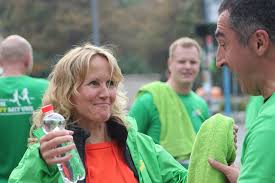
German Agriculture Minister Cem Özdemir and his Environment counterpart Steffi Lemke explained their future plans in two major interviews in German newspapers over the Christmas weekend. Özdemir aims to implement policies ensuring that prices for food and agricultural products rise.
“There can no longer be dump prices for food; bargain prices drive farms to ruin, prevent improved animal welfare, hinder biodiversity, and pollute the climate,” Özdemir told Bild am Sonntag.
Environment Minister Steffi Lemke wants to drastically reduce the use of chemical agents in agriculture. She says most farmers also want this if a better earning model is established.
Promotion
“I do not expect that within one four-year term we can completely do without pesticides. But we need a significant reduction if we want to stop insect decline,” the Green politician told the newspapers of the Funke media group (Sunday).
Lemke criticized the previous German cabinet’s support for the recently established new European Common Agricultural Policy (CAP). “We urgently need to get out of this system of area payments that are made without ecological consideration. We are already focusing on reforming that European agricultural policy,” said the Green politician.
Regarding the reduction of chemical agents in agriculture, Lemke said the government can achieve this in two ways: with subsidies or with legal bans.
“I am firmly convinced that most farmers want to use fewer pesticides. Generally, they have a good understanding of biological relationships. Yet for decades, farmers have been forced by European agricultural policy into a pressured situation: grow or lose. Every year, billions in tax money have been spent here without any improvement for biodiversity or our water quality.”
Agriculture Minister Özdemir said he wants Germans to value their food as much as their cars. “Sometimes I feel like good motor oil is considered more important than good salad oil,” Özdemir said. Food is unlikely to become a luxury product, but the price needs to better reflect ecological reality,” he added.