

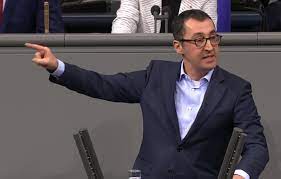
German Agriculture Minister Cem Özdemir has presented the framework for a German animal welfare label on food packaging. It will start with the pork industry and will be gradually expanded to other food categories. Germany intends to have the mandatory logo reviewed by the European Union, which has been discussing the introduction of mandatory uniform food labels for several years.
The exact design of the German state logo is still undecided. However, it is already known that Özdemir wants to introduce five assessment criteria for the label. These criteria will make it clear to consumers how the animals were kept, covering aspects from available living space to feed and administered medicines or chemicals. A completely new control system of agencies and inspectors must be established to manage the issuance and monitoring of the labels.
German supermarket chains have used their own voluntary meat labels for several years, each with their own choices and criteria, causing great confusion among German shoppers.
Promotion
Earlier this year, Özdemir’s predecessor, Julia Klöckner (CDU), wanted to introduce a voluntary uniform logo with standards exceeding legal requirements, but this was blocked by the SPD. The new center-left “traffic light coalition” has made sustainability in agriculture and livestock farming one of its key priorities.
Mandatory labeling will apply to all food products containing animal-derived ingredients, including processed items such as frozen pepperoni pizzas or prepared salads with chicken strips. Packaged products in supermarkets, items at food counters, online retail, and supermarket offerings must all be labeled.
In initial reactions, both agricultural organizations and environmental groups emphasize that the labeling must be part of a broader concept for restructuring the entire livestock sector. DBV chairman Joachim Rukwied says there must also be a plan (and subsidies!) for modernizing barns. Özdemir also believes there should be a program to convert to more animal-friendly barns in the longer term.
The latter may prove difficult within the coalition. For example, the liberal-democrats (FDP) have recently spoken out against the proposal for an animal welfare levy on animal products, and the coalition has yet to agree on how such measures would be funded.
Özdemir said this is only the first of four components that the German government is preparing for the future of livestock farming. “Agricultural livestock farming can only be sustainable if it offers farmers a perspective with which they can also earn a good income,” said the Green minister.