

Agriculture in the Islamic Republic of Iran and the Arab neighboring country Iraq is struggling with erosion, salinization, and drought. Dutch expertise can help make the food system in both countries more productive and sustainable. This is stated by the Dutch agricultural counselor in Tehran, Marion van Schaik.
“Iran and Iraq want to move towards more self-sufficiency. Their need for knowledge about efficient and sustainable food production and processing, as well as suitable crop varieties, is great. Their focus is mainly on the Netherlands,” Van Schaik said in Agroberichtenbuitenland.nl.
Political tensions between Iran and the rest of the world have had a major impact on the country for many years. Iraq, after a prolonged civil war, is attempting to rebuild its economy. Increasing food production is crucial in both countries.
Promotion
Due to international tensions, the economic situation, and the COVID pandemic, exports from the Netherlands to Iran have dropped sharply, including agro-exports. Nevertheless, contacts between our country and Iran still exist.
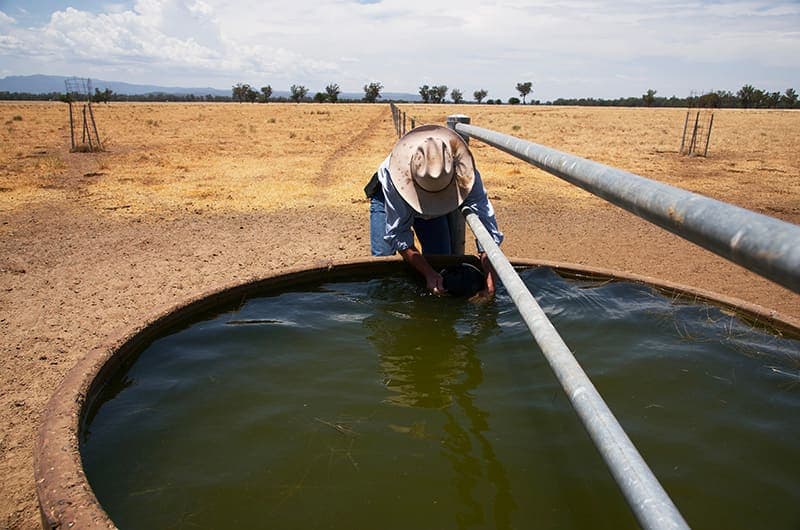
Water is an important theme in Iranian agriculture. Last year was an extremely dry year. This has led to major problems in central and southern Iran, such as salinization of agricultural land. Efficient water use is high on the agenda.
In recent years, greenhouse area has increased by 6,000 hectares. According to Van Schaik, Dutch horticultural companies could support further expansion, for example in the field of climate control systems in greenhouses.
In Kurdistan, northern Iraq, the Netherlands is involved in rebuilding agriculture. With Dutch subsidies, consultants are researching bottlenecks in the food chain.
The same applies to salinization, a major problem in Iran and Iraq. In some areas, agricultural production is already nearly impossible, and farmers are leaving. There is a great need for knowledge about preventing and reducing salinization.
According to Agricultural Counselor Van Schaik, cultivating salt-tolerant crops also holds promise. “Dutch knowledge institutions and companies have already provided support through seminars and local research. We aim to further expand this knowledge exchange in the coming years.”