

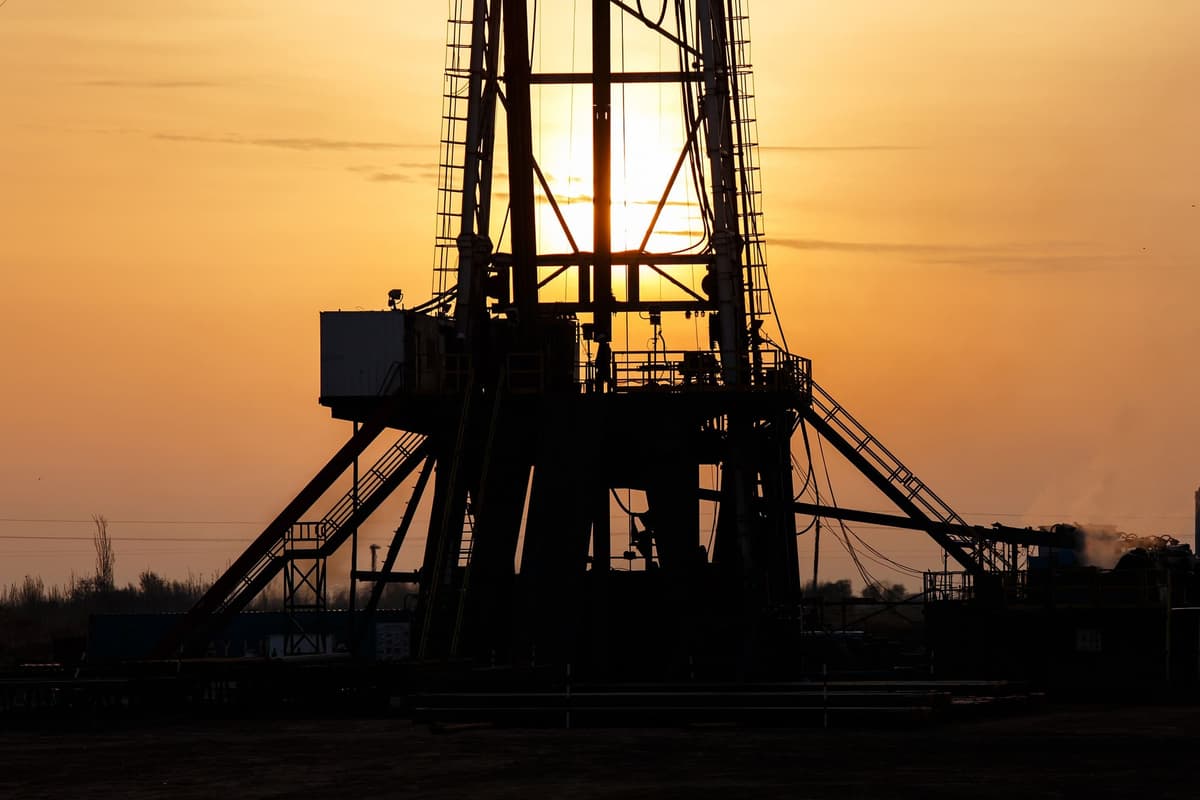
The Netherlands believes that the United Kingdom should not grant Shell a permit to leave three old drilling platforms in the North Sea. Minister Cora van Nieuwenhuizen will inform London of this at the Ospar meeting, the organization of countries bordering the North Sea.
Shell wants to leave the foundations of three drilling platforms in place instead of cleaning them up. This means that storage tanks containing 11,000 liters of polluted oil and chemical waste will remain on the seabed. According to Shell, this is the best option because removal could also cause environmental damage and is additionally dangerous.
Last week, the international environmental organization Greenpeace protested at Shell’s drilling platforms in the North Sea against what is being called ‘a repetition of the Brent Spar affair.’ Back in 1991, when Shell refused to dismantle and decommission an old oil storage facility in the North Sea and attempted to sink it to the ocean floor, there was widespread international outrage. Shell was ultimately forced to bring the installation ashore and have it demolished.
Promotion
Dutch Minister Van Nieuwenhuizen (Infrastructure and Water Management) commissioned an independent counter-investigation by the University of Copenhagen in Denmark. The research showed that Shell exaggerates the objections and risks. The company has 'insufficiently substantiated' that the concrete legs cannot be properly removed and that it would be better to leave the contaminated material on the seabed. Therefore, further research is needed, according to Van Nieuwenhuizen.
In addition, the company could save hundreds of millions of euros in costs, although this argument was not decisive. Shell’s application has not yet been rejected by the United Kingdom. London must make a decision because the drilling platforms lie within British territorial waters. London has now sought advice from the so-called OSPAR countries. This organization includes European countries bordering the northeastern part of the Atlantic Ocean. Its goal is to protect nature and natural reserves.
Other North Sea countries may object to a possible British permit. Germany has already done so, and the Netherlands supports this. After this OSPAR consultation, the British are next to act. They can decide to grant the permit anyway or require further research.
There are about 600 drilling platforms in the North Sea that need to be cleared in the coming decades. The costs amount to about 8 billion euros. All platforms located in water depths of less than 100 meters and weighing less than 10,000 tons must be removed. The North Sea is not only used for oil and gas extraction but also for fishing, shipping, submarines, laying cables, and wind parks.