

The authorities of Sweden and Estonia have launched a new investigation in the Baltic Sea into the cause of the sinking of the ferry Estonia in 1994. That maritime disaster was one of the deadliest peacetime accidents in European waters, with 852 people perishing.
An international investigation in 1997 concluded at the time that a defect in the bow door of the car deck caused the 155-meter-long ship to flood. That ‘defective’ bow door was even recovered above water.
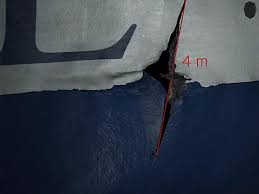
However, a 2020 TV documentary has called that official version into question by revealing video footage of a four-meter hole in the ferry’s hull. As a result, there are now fears of a collision with a submarine or an explosion. Relatives and families of the victims have since demanded that the investigation be reopened.
Promotion
The new investigation will use various sonar devices to examine the ship’s position on the seabed, according to the authorities. Divers will begin their work in international waters on Friday, a spokesman said. The Estonia lies 85 meters underwater in the Baltic Sea, and it is still believed that many of the victims’ bodies remain there.
Sweden, Finland, and Estonia have prohibited any exploration of the wreck based on an international agreement. But at the end of last year, Sweden said it wants to allow new inspections. Two Swedish documentary makers who had filmed the footage of the hole in the hull were recently acquitted of illegal exploration of the wreck.
Last October, Estonian Prime Minister Jüri Ratas also called for a new investigation into the Estonia tragedy. The new inspection could be completed as early as next spring.