

There are great opportunities for the Dutch agribusiness sector in South America, especially in the field of making agriculture more sustainable. This is stated by Inge Horstmeier, the recently appointed Dutch Agricultural Counselor at the embassy in the Argentine capital Buenos Aires. Chile, Uruguay, and Paraguay are also part of her area of work.
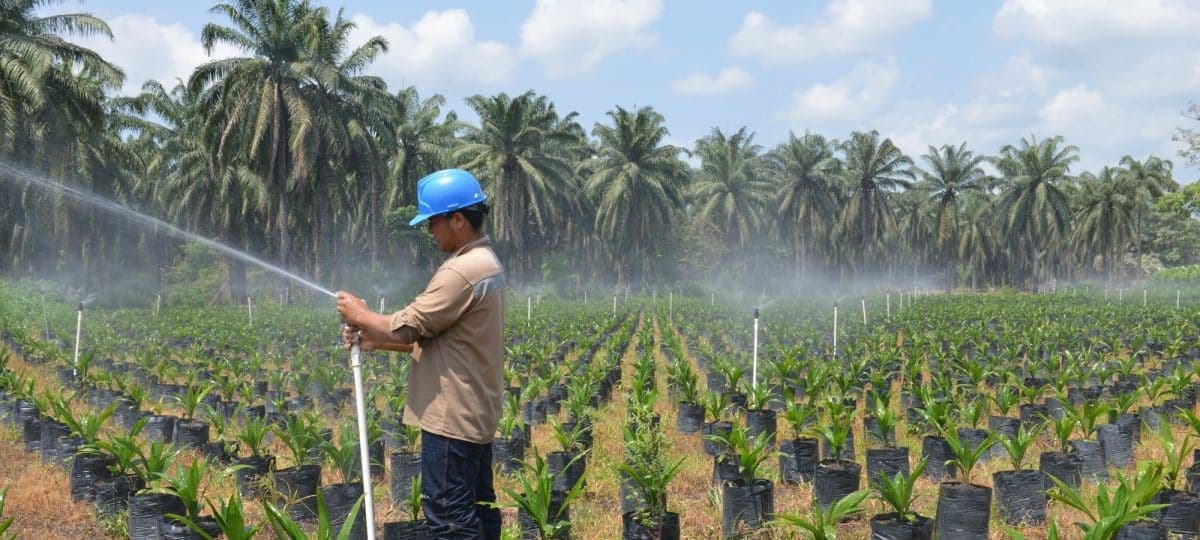
Many Dutch companies are already active in these countries. Dutch expertise can also be applied in the field of climate-adaptive agriculture. “The relationship between water and agriculture is important here. Dutch companies and knowledge institutions are specialists in water management. They can provide solutions in South America for dealing with drought or flooding,” says Horstmeier in an interview with Agrobuitenlandberichten.nl.
In Argentine agriculture, the focus is on the major commodity crops that are largely exported, such as soy. “Soy growers are primarily focused on efficient production, while the Netherlands and other EU countries are imposing increasingly stringent requirements on the use of inputs. Dutch companies and knowledge institutions can contribute to the sustainability of cultivation.”
Promotion
The current Argentine government pursues a protectionist policy. Imports and exports are subject to strict regulations. This makes it difficult for Dutch companies wanting to become active there. Elections will be held in November. The outcome will determine the direction of their international trade.
Circular agriculture is higher on the agenda in Chile than in Argentina, says the Dutch agricultural counselor. “The direction chosen by the Chilean government is comparable to the Dutch approach. Sustainability of production is central in Chile, and the agricultural sector is taking concrete steps in that direction. The challenges are similar to those in our country,” Horstmeier says.