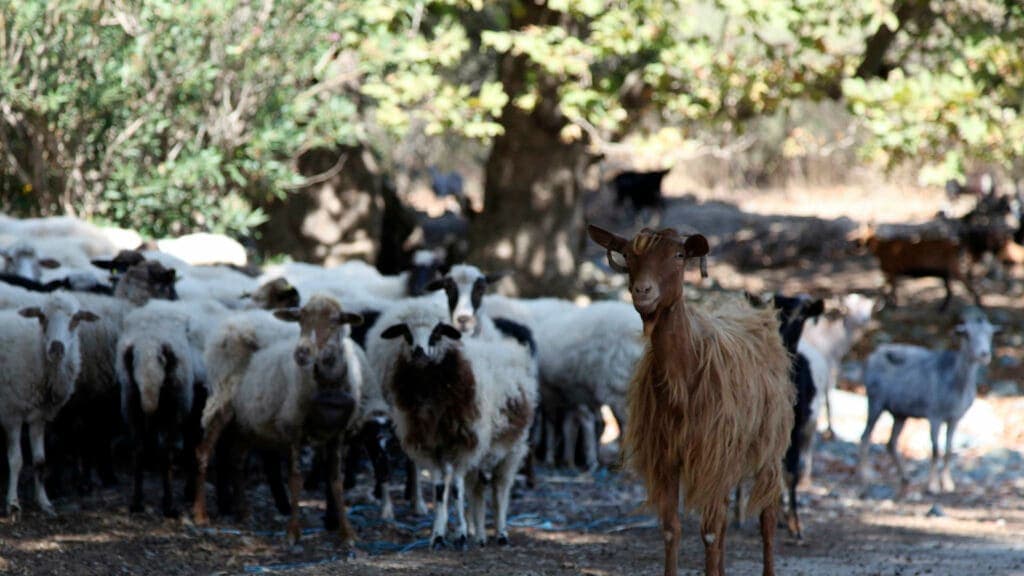
Small ruminant peste (PPR) is a viral disease that causes acute fever and inflammation in sheep and goats. The disease is notifiable and can cause significant economic damage. Several outbreaks were recorded in Romania last year, but no new cases have been reported this year.
In response to the outbreak, the Hungarian Food Safety Authority (Nébih) has culled the infected herd and established a protection zone with a radius of 3 kilometers and a surveillance zone of 10 kilometers around the affected farm. These zones extend into the southern neighboring country Slovenia.
To prevent further spread, Nébih has imposed a temporary ban on the import of small ruminants from Romania. Sheep and goat owners in Hungary are encouraged to take preventive measures to avoid introducing the disease into their herds.
The PPR outbreak in the border region could have significant consequences for the livestock and meat trade in the area. Romania is an important supplier of sheep and goats to Hungary, and the ban may lead to supply shortages and potentially higher prices for consumers.
The proximity to the Austrian border also raises concerns about possible spread of PPR to Austria, which lies further west. Although no cases have been reported in Austria yet, the Chamber of Agriculture has already called to temporarily suspend imports of small ruminants from Bulgaria, Turkey, and Greece as well.
Authorities in both Hungary and neighboring countries continue to monitor the situation closely and are taking measures to prevent further disease spread. Livestock farmers in the region are advised to be alert to symptoms of PPR in their animals and to immediately contact veterinary services if infection is suspected.