

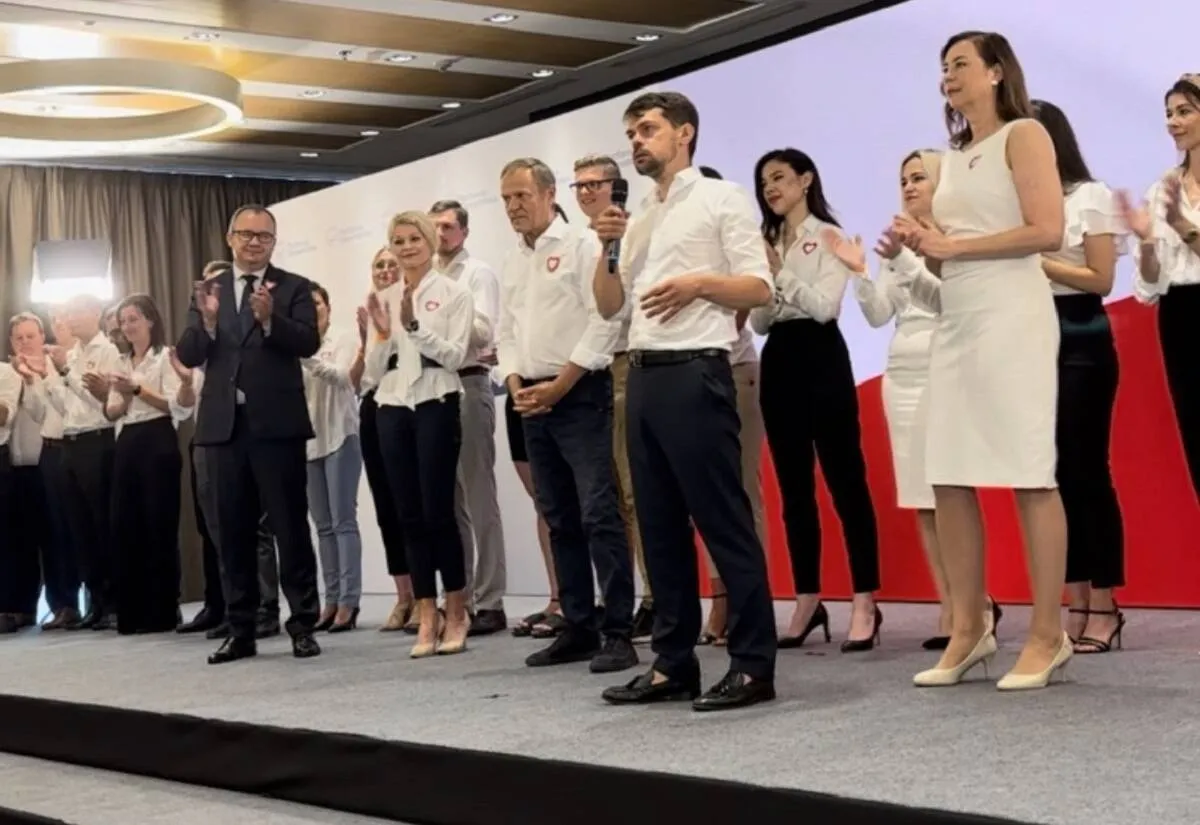
Kołodziejczak stated that he is leaving his position because he refuses to "lend credibility to this policy," which, according to him, does not bring change quickly enough. In an open letter, he claims that his proposals met with passivity within the ministry and opposition from other parties in the government coalition.
The former activist became well-known a few years ago as the founder of the farmers' movement AGROunia. He played a key role in mobilizing rural voters for Donald Tusk's liberal coalition, which secured only a slim majority in parliament. His appointment as deputy minister was intended as a gesture toward the farming constituency.
Within the coalition, his style soon led to friction. Kołodziejczak had previously expressed dissatisfaction with Minister Czesław Siekierski, who is seen as conservative and reluctant to pursue reforms. The tensions escalated when Kołodziejczak took independent political initiatives outside his ministry.
Promotion
Siekierski publicly responded to his subordinate's resignation, describing his behavior as "problematic." According to him, Kołodziejczak was more focused on public appearances than substantive work within the ministry. He also pointed to a lack of coordination and internal communication.
The deputy minister, in turn, accuses the minister of ignoring his proposals and blocking the implementation of modernization plans. He emphasizes that he received no support for reforms he deemed necessary for Polish farmers. He calls his resignation a "necessary step."
His departure is also interpreted politically. Some within the coalition saw Kołodziejczak as a disruptive element, disturbing unity. At the same time, others point out that he represented the voice of farmers within an otherwise predominantly urban coalition.
Whether his departure will affect the political position of AGROunia and rural voters remains unclear. It is also not yet clear whether Kołodziejczak will establish a new political movement or join another party.