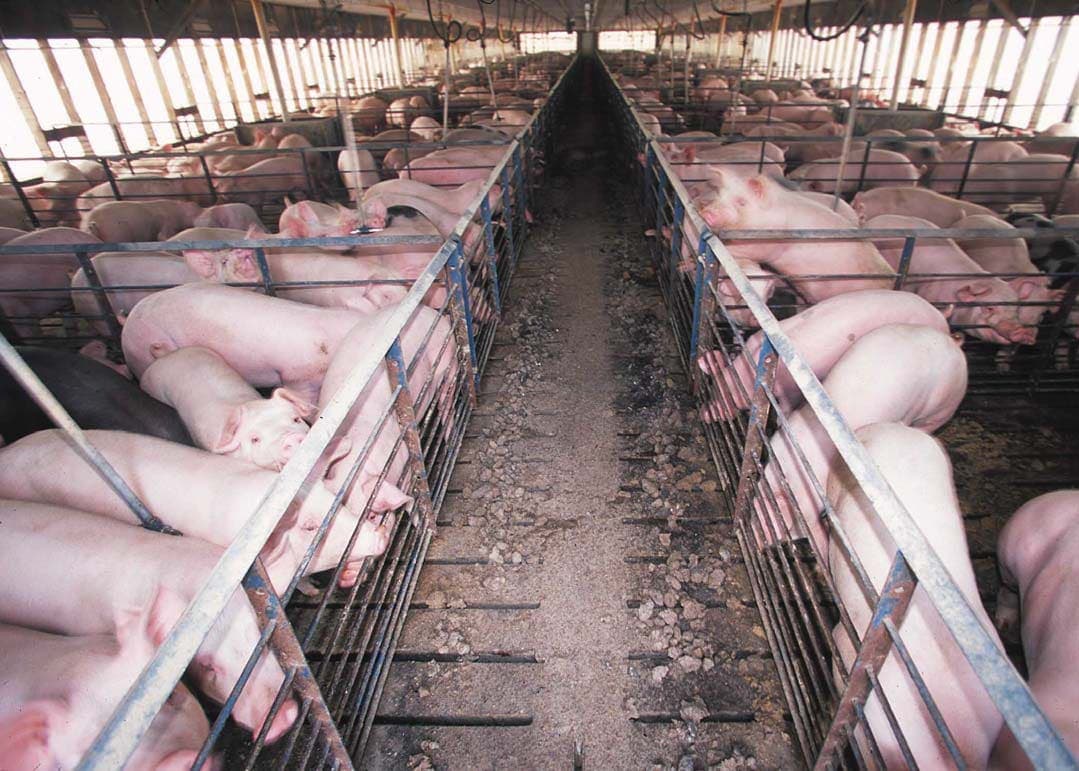
The disease not only affects wild boars across the vast Polish countryside but has also had devastating consequences for commercial pig farming. Especially in northern Poland and the West Pomerania region, new outbreaks continue to be reported, further complicating the already vulnerable situation for Polish pig farmers.
Due to the regular outbreaks, tough transport and trade restrictions have been imposed, making it impossible to move pigs from infected areas to slaughterhouses in safe locations. This causes major difficulties for farmers, especially in the expansive and sparsely populated rural areas where infrastructure is already limited. Because of these restrictions, many farmers have ceased or scaled down their operations.
Agriculture Minister Czeslaw Siekierski says he is aware of the emergency and has promised new support measures for the sector. This aid includes subsidies and financial compensation for affected farmers, but for many pig farmers, it feels like closing the stable door after the horse has bolted. The damage caused by African swine fever is by now so extensive that short-term recovery seems unrealistic.
The heavy pressure that ASF exerts on the sector has led many farmers to completely shut down their businesses or look for alternative forms of agriculture. For many, the uncertainty is too great to reinvest in pig farming.
Besides the impact of African swine fever, rising feed costs also play a role in the problems facing the Polish pig sector. Higher expenses are making it increasingly difficult to maintain affordable production, placing growing pressure on Polish pig farmers.
Prices for pork are expected to rise significantly in the coming months as a result of the production decline. This will likely cause consumers to pay more for pork products, possibly boosting demand for alternative protein sources.
The situation in Poland illustrates the impact of African swine fever on livestock farming in Europe. While some other countries have managed to protect their pig industries from the disease, this has proven much more difficult in Poland. The large number of wild boars roaming Polish forests and fields hampers the complete eradication of ASF and keeps the risk of new infections high.
The Ministry of Agriculture has developed various strategies to contain the outbreaks, including hunting wild boars and improved biosecurity measures on farms. However, these measures appear insufficient to reverse the trend.
For now, the future of Polish pig farming appears uncertain. With new outbreaks of African swine fever and a shrinking pig population, it will take a long time before the sector can recover. Without decisive measures, the Polish pig industry is expected to remain in troubled waters for quite some time.