

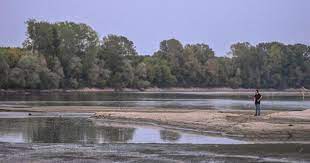
In Germany, many regions are again experiencing extreme dryness. According to data from the Helmholtz Centre for Environmental Research, large parts of the country are marked red on the drought map. In the topsoil layer, there is hardly any moisture left in many places. Deeper soil layers are also facing a shortage. The situation is particularly critical in the south and east.
Farmers in Germany are seriously concerned. They are struggling to irrigate their crops sufficiently and fear yield losses. Measurements in Bavaria show that most soils are too dry to allow plants to grow well. The consequences are becoming noticeable during harvest time.
Not only agriculture is suffering from the drought; the risk of forest fires is also increasing. In many parts of Europe, natural areas are bone dry. In Germany, this is especially true for areas with sandy soils and coniferous forests, which are highly flammable under prolonged drought conditions.
Promotion
The effects are also noticeable in shipping. Experts warn that low water levels on rivers such as the Rhine and the Elbe could complicate freight traffic. Inland vessels sometimes have to carry lighter loads or choose alternative routes.
The outlook for fruit cultivation is worrisome. Apples, pears, and strawberries require a lot of water during their growing phase. Researchers warn of potential yield losses if the drought continues. Production is especially under pressure in regions where irrigation is difficult.
Viticulture is also affected. Due to the lack of water, grapes may ripen less well, which affects the quality of the wine. Some winemakers fear that part of the harvest will be lost.