

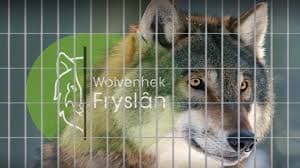
The number of animals injured or killed by wolves in Germany increased by 37% last year to 3,959 animals. This means that in just two years, the number of wolf attacks has almost doubled.
According to new data, there were 128 wolf packs, 39 wolf pairs, and 9 individual wolves in Germany last year. Eberhart Hartelt, the environmental officer of the German Farmers' Association (DBV), expressed sharp criticism of the growing wolf nuisance.
The federal states of Brandenburg, Mecklenburg-Western Pomerania, and Lower Saxony are particularly affected by wolves. Sheep are the most frequently killed by wolves, with 3,444 killed in 2020, followed by wildlife (248), cattle (153), and goats (92). But 13 horses, 7 alpacas, and 2 shepherd dogs also fell victim to wolves.
Promotion
The new figures are expected to have a significant impact on grazing in Germany, according to the DBV. "The new statistics mark the end of grazing. The wolf population must finally be regulated. Otherwise, keeping sheep, goats, horses, and cattle in pastures will become obsolete," explains Hartelt.
In Germany, the debate about the presence of wolves regularly flares up. CDU list leader Armin Laschet wants the European Union to lift the ban on wolf hunting in agricultural areas to protect grazing livestock. Recently, several Swiss cantons issued hunting permits for wolf hunting.
Two months ago in the Netherlands, former Commissioner of the King of Friesland Hans Wiegel (VVD) hammered the first stake for a wolf fence on grass and arable land along the Drents-Friese Wold nature reserve. Five farmers are making their land available for the pilot. The fence will be about 3 kilometers long.
The 1.5-meter-high fence made of heavy sheep mesh is designed so that other wildlife like rabbits and deer can pass through or over it. A rabbit mesh at the top of the fence is intended to prevent deer from getting their legs tangled when they jump over the fence.