

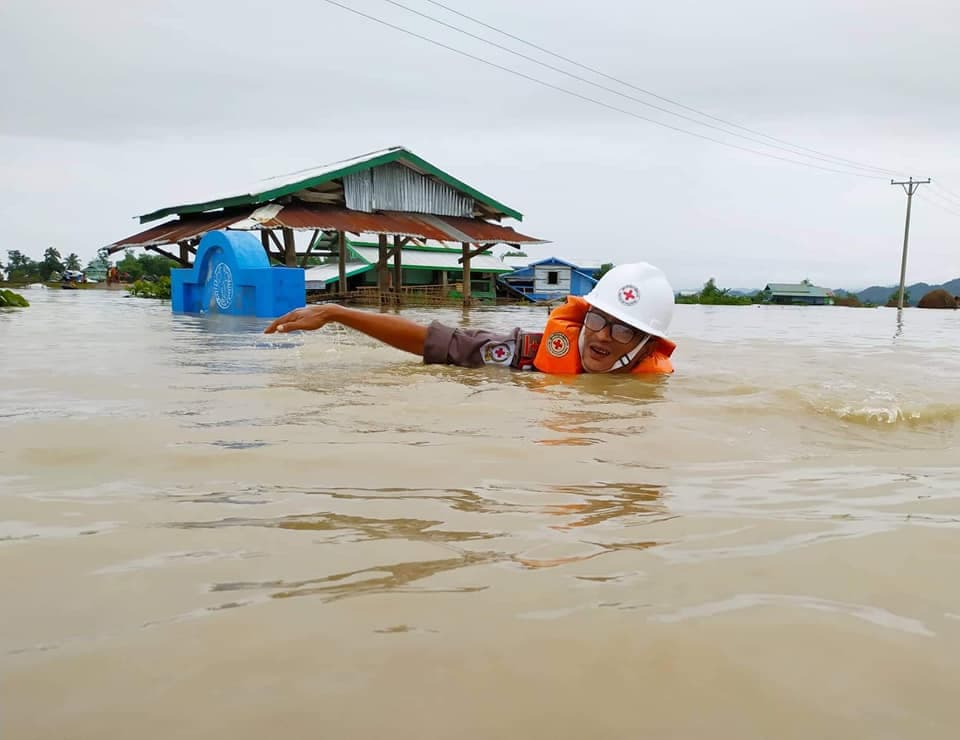
International grain markets reacted tensely last week to the worldwide extreme weather variations and the possible consequences for grain harvests. This once again led to higher prices for wheat and corn, among others. Chinese officials are issuing reassuring statements about the flooding in the food-producing province of Henan.
In the grain-growing areas of the northwestern United States, the largest and most severe drought period in decades is already occurring. Additionally, wildfires are raging in many places, destroying parts of the harvest. In corn producer Brazil, harvests are also under pressure, and in China agricultural areas are being destroyed by flooding.
The Chinese grain exchange, Zhengzhou Commodity Exchange, which primarily trades commodity futures, said Wednesday that its operations remain unaffected and are functioning normally. At most, there might be some delays due to transportation problems.
Promotion
Analysts predict that the Chinese flooding could influence food prices, as Henan accounts for about 30% of the country's wheat harvest and is the third most populous province, with a population of nearly 100 million.
According to a report by Nomura Holdings Inc., grain prices may rise in the coming weeks due to supply shortages and transportation interruptions, noting that this impact would only be temporary.
Following the severe flooding in the Chinese metropolis of Zhengzhou, the death toll has risen to 51. Damage is reported at 8.5 billion euros, according to Chinese state television. Moreover, the end is not yet in sight.
Typhoon In-Fa, which is currently approaching the east coast of China and also affecting weather further inland, is responsible for the heavy rains. In-Fa is already the sixth typhoon this year in China and is expected to make landfall on Sunday along the coast of Zhejiang and Fujian provinces.
Zhengzhou, a city with over 9 million inhabitants in Henan province in central China, has been hit since Tuesday by the heaviest rainfall in decades. Among other things, the metro system partially flooded, causing hundreds of people to become trapped in flooded train cars. Many streets are also under water.