

The decision to divest the cooling division coincides with the departure of two major shareholders from a strategy committee tasked with drafting a new future vision for the group.
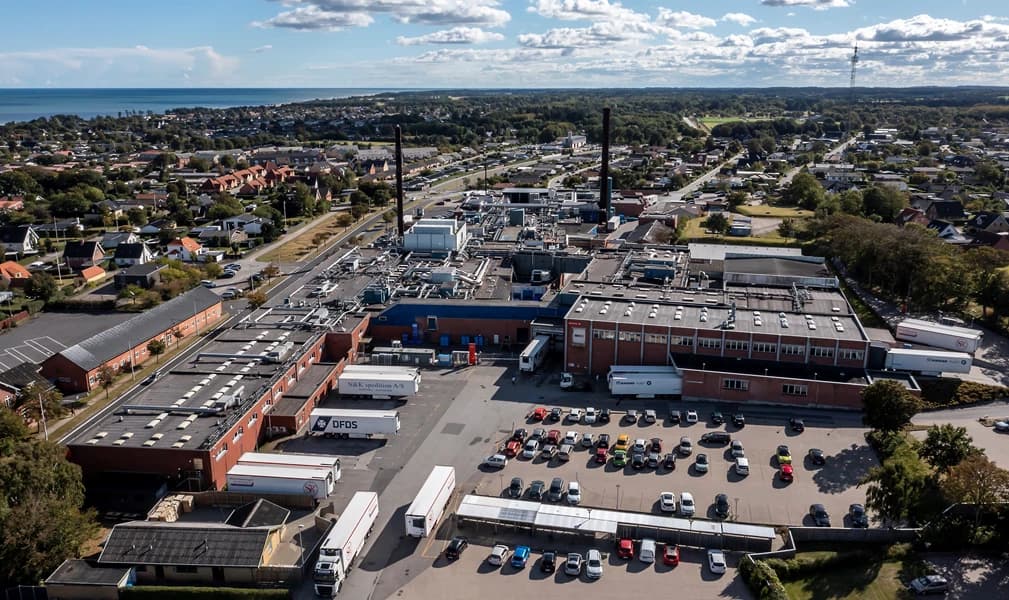
Agri-Norcold operates a network of modern storage facilities in Denmark, and the acquisition offers Constellation Cold Logistics the opportunity to expand its presence in the Northern European market. The staff of Agri-Norcold is expected to be retained under the new owner, ensuring continuity of service.
The sale fits – according to the company itself – into Danish Crown's broader plan to divest business units not directly related to core activities, thereby increasing focus on efficiency and profitability.
Promotion
Moreover, last week, dissent erupted again within the top of the Danish agro-group Danish Crown over the company's direction. In response, two major shareholders resigned from a structural committee meant to develop a future plan, and a deputy director stepped down. Previously, a member of the management board had already resigned.
The company, which is owned by a cooperative of Danish pig farmers, has been grappling with internal tensions for some time. The two major shareholders who have now withdrawn from the structural committee represent a significant portion of the producers supplying Danish Crown. Their departure is said to be related to increasing bureaucracy and a lack of concrete outcomes in discussions about the company's future strategy.
Danish Crown faces major challenges, such as declining profit margins and rising international competition. The committee was supposed to provide direction for the reforms needed to strengthen the company’s position in the world market. However, internal disagreements appear to complicate this task.
Earlier this year, CEO Jais Valeur announced his departure, prompting speculation about stability within the company’s leadership. His exit, officially announced for “personal reasons,” surprised many and fueled rumors of internal discord.
The deputy director stated that the lack of consensus within the management and the board of directors was a key reason for his decision. The cooperative structure of Danish Crown, in which the members (the pig farmers) jointly own the company, makes quick decision-making difficult.
Pressure on the remaining executives and shareholders to reach a unified vision is high, especially in light of the challenges the company faces. If Danish Crown fails to overcome this crisis, it could have far-reaching consequences for the company’s future and the thousands of pig farmers who depend on it.