

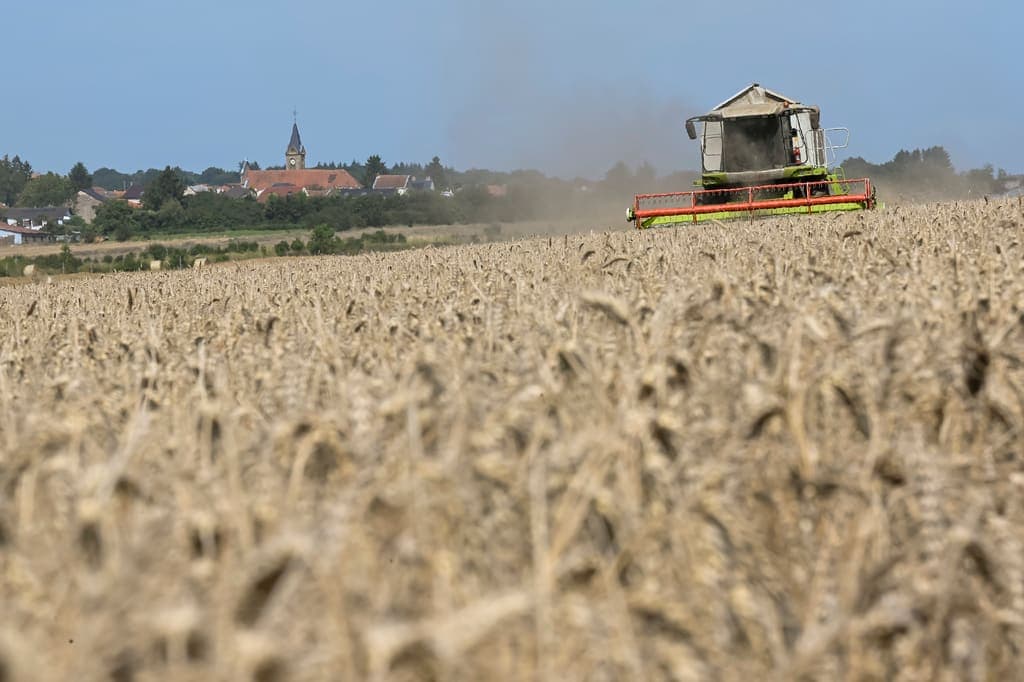
The Russian invasion, which began in late February in eastern, southern, and northern Ukraine, has turned the country's agricultural industry upside down. The Russian incursion initially caused a fuel shortage "which hindered the sowing campaign," emphasized Serguiï Ivashtchenko, director of the Ukrainian Grain Association. The blockade of Ukrainian seaports also prevented grain exports for months.
"The occupation of parts of the regions, hostilities in the fields, and the destruction of infrastructure" reduced the cultivated area by "about a quarter." "We usually sow on approximately 25 million hectares. This year, we can only harvest from 18 to 19 million hectares," said the spokesperson. He also pointed out "a decline" in yield. Many farmers can no longer afford to use fertilizers.
To date, Ukraine has harvested 46.6 million tons of grain from 90% of the cultivated fields. However, 30% of the corn still needs to be harvested, noted Sergey Ivashchenko.
Promotion
The International Monetary Fund (IMF) expects a severe economic downturn in Ukraine next year. A delayed harvest due to bad weather, restrictions on logistics and working capital, as well as Russian shelling of energy infrastructure are worsening the outlook for the Ukrainian economy.
"Real GDP is expected to shrink by 33% in 2022," is the baseline scenario anticipated by the IMF. The risks remain extremely high.
An even more pessimistic forecast predicts 40% inflation and a drop in international reserves to 18 billion dollars. Accordingly, an additional $9.5 billion in budget financing will be needed on top of the base $39.5 billion. Last week, the Netherlands pledged an extra 2.5 billion euros in financial support to Ukraine.