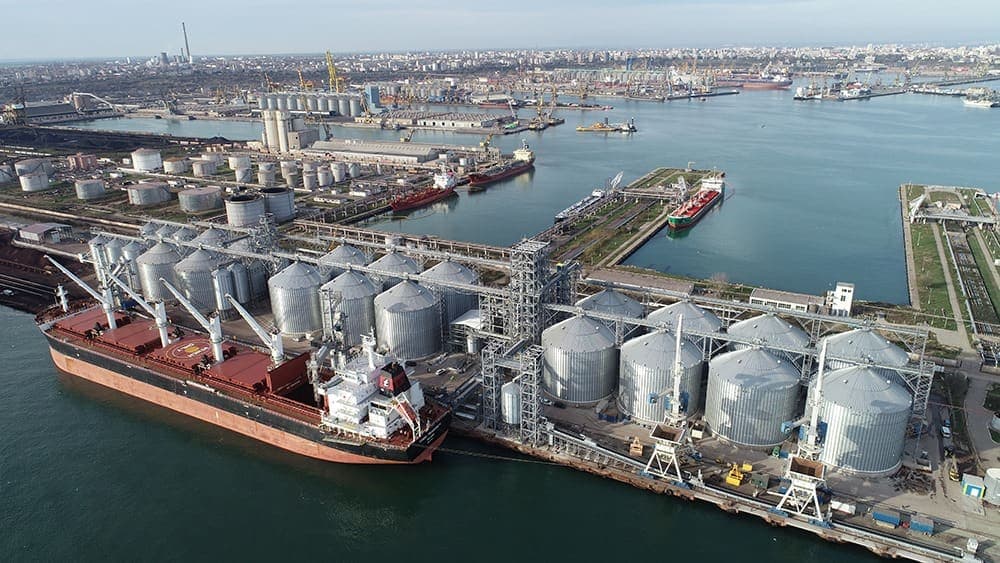
This enables Kyiv to transport agricultural products across the European mainland, making it less vulnerable to Russian threats against shipping on the Black Sea. The temporary agreement that Russia and Ukraine struck with the United Nations and Turkey to allow unhindered grain exports by sea expires at the end of this week.
The European Commission, Poland, the Czech Republic, Romania, Slovakia, the Republic of Moldova, and Ukraine, together with the European Investment Bank (EIB), the European Bank for Reconstruction and Development (EBRD), and the World Bank, have agreed on new financing. Brussels is determined to address the threat of famine in parts of Africa and the Middle East while simultaneously supporting Kyiv's agricultural sector.
The announcement gives the project a significant financing boost, providing funds to reduce waiting times for trucks and trains crossing from Moldova and Ukraine into Poland and Romania, especially through repairs and development of road and rail infrastructure in Ukraine.
A possible extension of the Black Sea agreement is currently being discussed at the highest global level, at the G20 summit in Bali, Indonesia. There, UN Chief Guterres and Russian Foreign Minister Lavrov agreed that Western sanctions must not disrupt the export of Russian agricultural products, food, and fertilizer. Earlier, an easing of the blockade on financial transactions was already discussed.
Just this past weekend, the Russian Ministry of Agriculture announced that this year’s grain harvest is significantly larger, and that Russia could potentially double its grain aid to African hunger-stricken countries.
A separate UN agreement guarantees the free flow of Russian fertilizer exports, but Moscow continues to complain about difficulties. Russia is currently having the most trouble exporting its ammonia. It lacks terminals in Russian ports to load it onto ships, so it has always relied on sending it to terminals in the Baltic states and Ukraine via pipeline; however, this pipeline has been blocked since the Russian invasion in southern Ukraine.
Last weekend, as part of a Russian deal with the UN, three seized shipments of Russian fertilizer from the ports of Rotterdam, Antwerp, and Muuga (Estonia) were allowed to be shipped to Africa. Polish Prime Minister Mateusz Morawiecki said the Kremlin is trying "to saddle the West with the blame for the food crisis it itself triggered in order to pressure us to lift sanctions."