

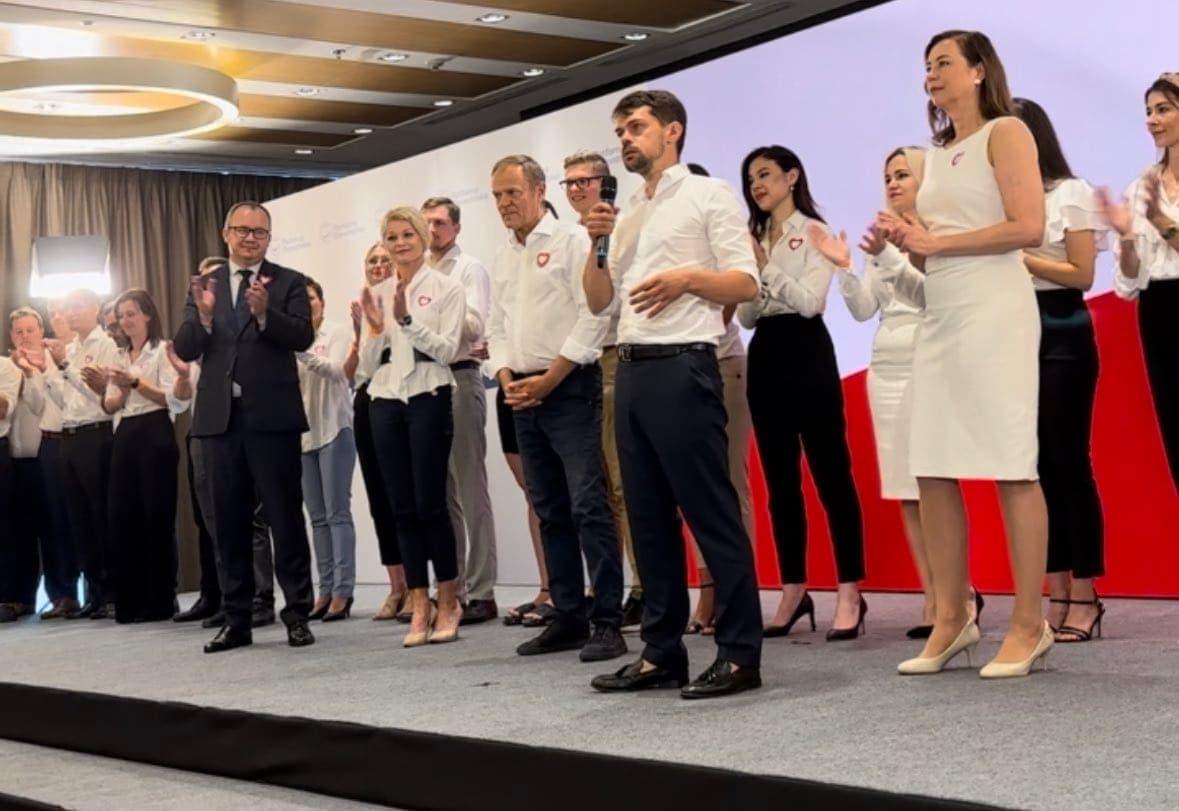
Wojciechowski criticizes farmers’ union leader Michil Kolodziejczak, who will be on the candidate list for the Civic Coalition of opposition leader Donald Tusk in the upcoming Polish parliamentary elections. Initially, Agrounia intended to participate with its own list.
It is quite unusual for a European Commissioner to publicly involve themselves in the domestic politics of an EU country during election time, even if it is their own home country. Occasionally, a slip of the tongue in Brussels is overlooked once, but in this case more and more eyebrows are being raised.
In his duties and powers, the Polish EU Commissioner has dealt extensively over the years with the subsidization and modernization of Polish agriculture. He has also frequently "interfered" with the faltering rural policy of the ruling PiS party, particularly concerning Polish livestock affected by African swine fever and avian flu.
Promotion
This time, the Pole openly questions whether the radical Kolodziejczak is doing his farming supporters any favors with his "switch" to the Civic Coalition. Agrounia will continue to exist as its own party; it is now only about a combination of appealing Poles on a single anti-PiS candidate list.
A part of the Agrounia farmers disagree with this and have joined a smaller conservative rural party.
Polish Prime Minister Morawiecki and PiS party leader Kaczyński accuse Kolodziejczak of siding with the pro-European and urban liberal opposition. The announcement so close to the parliamentary elections has come as a shock to many, given that Kolodziejczak just last year sharply criticized Tusk and others (as well as all other parties).
Nevertheless, the farmers’ union leader now seems to be putting his criticism aside in order to overthrow the PiS government. The AgroUnia leader called his candidacy at the Civic Coalition "of national importance," with the goal of defeating the conservative right-wing governing party Law and Justice (PiS).
For several years, dissatisfaction has prevailed among the large population of the Polish countryside regarding the PiS party’s deficient agricultural policies. However, in recent months PiS ministers have seized on the controversial Ukrainian grain exports through Polish territory to adopt a more pro-agrarian stance. The PiS party has also allocated much more funding for this.
Reactions to Kolodziejczak’s decision are mixed. Early responses show that many supporters of the Civic Coalition welcome Agrounia’s addition. They see it as a strategic move that increases the opposition’s chances. Nevertheless, farmers’ unions emphasize that they will maintain their own party, Agrounia, and that the alliance is a temporary cooperation to achieve a common goal.
Kolodziejczak’s decision could prove very significant, given the current narrow gap in opinion polls between PiS and the liberal opposition: only a few percentage points.