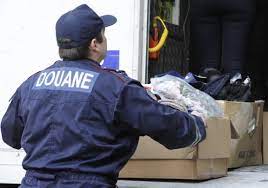
The Balkan countries Serbia, Albania, and North Macedonia have abolished their mutual customs controls for vegetables, meat, and natural products. A separate lane will be added for trucks at customs posts so they no longer have to wait in line for hours.
The three countries have already harmonized all necessary documentation concerning phyto- and veterinary certificates, procedures, lists of plant and animal diseases, and laboratory analyses. They are thus taking a further step towards more free trade, in accordance with the guidelines of the European Union.
In 2013, Croatia was the first of seven Balkan countries to join the EU; Montenegro, Serbia, the Republic of North Macedonia, and Albania are nominated to become members. Accession negotiations have already started with Montenegro and Serbia. Bosnia and Herzegovina and Kosovo are potential candidate members.
However, no new EU member admissions are expected in the coming years. Increasingly within the EU, voices call for first modernizing the EU's own organization, including its task scope, competencies, and financing. Decisions on this are intended to be made this year. Some EU member states have clearly expressed opposition to further EU expansion.
Since the beginning of this year, trucks carrying agricultural products from these three countries have been passing border checkpoints without waiting. One advantage of the agreement is that markets in Serbia, Albania, and North Macedonia will be supplied for a longer period with seasonal vegetables and fruits that ripen earlier in Albania or North Macedonia, and later in Serbia.
Last December, the presidents of the three countries met in Tirana to sign an agreement on free access to the labor market in the Western Balkans. The agreement will enable the introduction of a single work permit for all three countries. During the Open Balkan summit in Tirana, the three leaders also signed an agreement on the introduction of an electronic system for passport identification for the Western Balkans.