

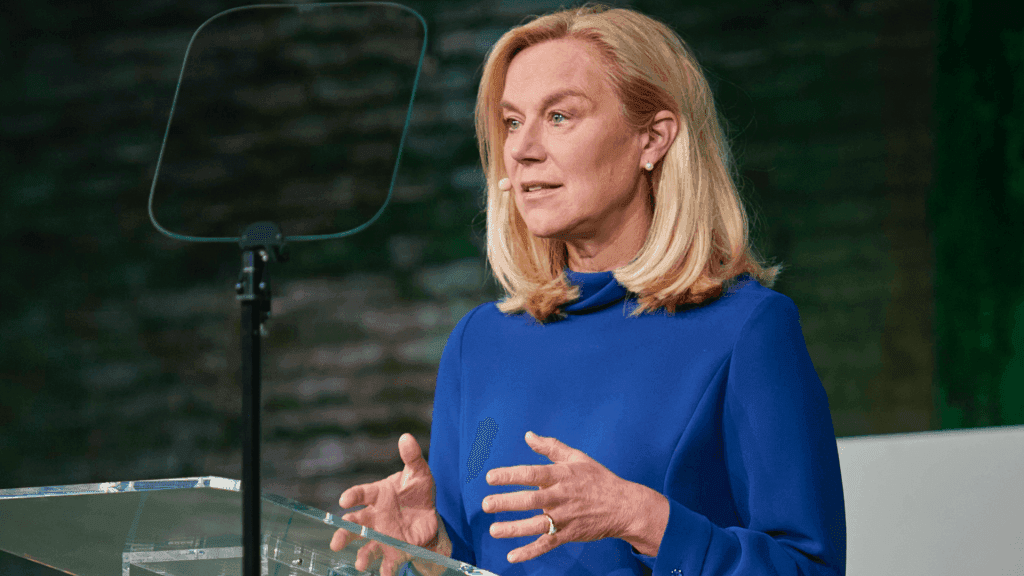
In an interview with economic news agency Bloomberg News, Kaag said that the Netherlands – currently the world's second largest agricultural exporter – will need to shift towards high-tech jobs over the next ten years. She also emphasized the need for more space for housing development.
Last year, the Netherlands had agricultural exports valued at over one hundred billion euros, according to an estimate by Wageningen University. Livestock and artificial fertilizer are major sources of nitrogen emissions, and it is said that the Netherlands already exceeds the limits set by the European Union.
"We are hitting a wall in terms of current possibilities due to nitrogen, CO2 emissions, and space," Kaag told Bloomberg News. Economists predict that production growth will slow to 4.4% this year and even less than half a percent next year, whereas last year, after the corona pandemic, the Netherlands showed an economic recovery of five percent.
Promotion
The Dutch government wants to implement a transition in agriculture to meet the target of halving emissions by 2030 and plans to buy out thousands of farmers. This could lead to a reduction of the livestock herd by one third within eight years.
"We are clearly trying to maintain an investment climate that is attractive to a wide range of companies," she said. "But we have to make very difficult choices, and we have to do it in a way that not only the majority of people understands but also supports because they know we cannot incur a climate debt."