

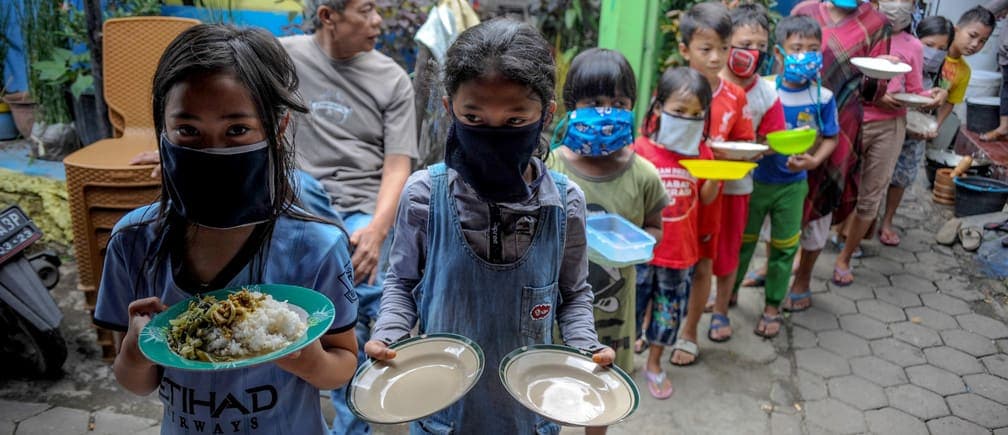
Agri-food systems around the world must be prepared for new sudden changes, whether due to drought, flooding, or infectious diseases. The agriculture and food division FAO stated this in a new report on the global impacts of the ongoing coronavirus pandemic.
The Covid-19 pandemic has exposed vulnerabilities in global agri-food systems, notes FAO Director-General Qu Dongyu. These systems include production, food supply chains, domestic transport networks, and consumption.
According to UN economists, only healthy economies can muster enough resilience to recover after such a new shock. Therefore, the FAO has developed a number of metrics with which governments can assess their chances for recovery. Countries are already being encouraged to "identify their weak points" using these FAO tools.
Promotion
Last year, the organization estimated that 720 to 811 million people suffer from hunger, up to 161 million more than in 2019, “an increase largely due to the pandemic.” Currently, about three billion people cannot afford healthy food. Another billion people face that risk if their income were to drop by a third due to a sudden shock, UN economists have calculated.
The report “The State of Food and Agriculture” also emphasizes the importance of good communication lines. If critical transport routes were disrupted by a shock, the cost of food for 845 million people could suddenly rise, it is stated.
The indicators developed by the FAO analyze countries’ domestic production, the scale of their trade, transport systems, and their population’s access to healthy food.