

The coalition, which includes ANWB, World Wildlife Fund WWF, Scouting Netherlands, and Natuurmonumenten, made this call in a manifesto presented to politicians on Thursday in Nijmegen.
They believe there is enough space along the rivers for even more nature. The coalition urges municipalities, provinces, and water authorities to collaborate with farmers to manage extensive grasslands, scrub, and thickets.
Cooperation is also possible for river and nature management. The current modest flood management is said to come at the expense of nature and does not lead to the necessary nature restoration. The WWF even warns of a new 'legal lock' on the Netherlands similar to the nitrogen crisis.
Promotion
With their Manifesto for Living Rivers, the thirteen organizations want to achieve improvements in Integrated River Management (IRM), as part of the upcoming new Environment and Planning Act. These plans have been in preparation since 2019.
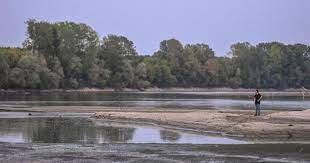
More than half of the floodplains along Dutch rivers are used for agriculture, industry, and sand extraction. According to the World Wildlife Fund, at least 30,000 hectares of new river nature should be added out of the total 68,000 hectares of space between the dikes of the Meuse, Rhine, Waal, IJssel, and Biesbosch.
Pooling forces with agricultural nature associations and farmers could lead to a more natural river system and an attractive landscape with more variety. This plea refers to the Collectief Rivierenland, which includes several hundred farmers in the floodplains of the Meuse and Waal.