

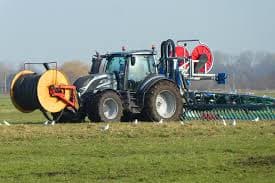
According to estimates by the Federation for Environment and Nature Conservation in Germany (BUND), approximately 60,000 truckloads of liquid manure are imported into Germany from the Netherlands each year.
Last Thursday morning, residents of Giesenkirchen-Schelsen noticed two tankers at a German farm delivering liquid manure. The manure was then spread and applied to the adjacent agricultural fields in the Schelsen district, according to the local news site lokalklick.eu/ in the Rhein and Ruhr area.
The villagers sent complaints to the Green Party faction, having first taken photos of the operation. Hajo Siemes, an environmental expert and spokesperson for the Greens, said: the liquid manure is imported from neighboring countries because there is less available space there. High prices are paid in the Dutch manure trade. The costs of manure recycling in Germany, at 6-8 euros per cubic meter, are significantly lower than in the Netherlands. The activities of Dutch manure exporters in this border region are a burden on the local environment and simultaneously increase costs for the German manure markets, said Siemes.
Promotion
The European Court of Justice (ECJ) asked the German federal government in 2018 to fundamentally improve the German manure regulation. The federal government was reprimanded by the EU Commission due to excessive nitrate pollution in German fields and meadows, mainly caused by agriculture. The tightened rules were expected to come into effect next month. Now, however, the stricter German manure policy risks being postponed again – this time due to the coronavirus crisis.