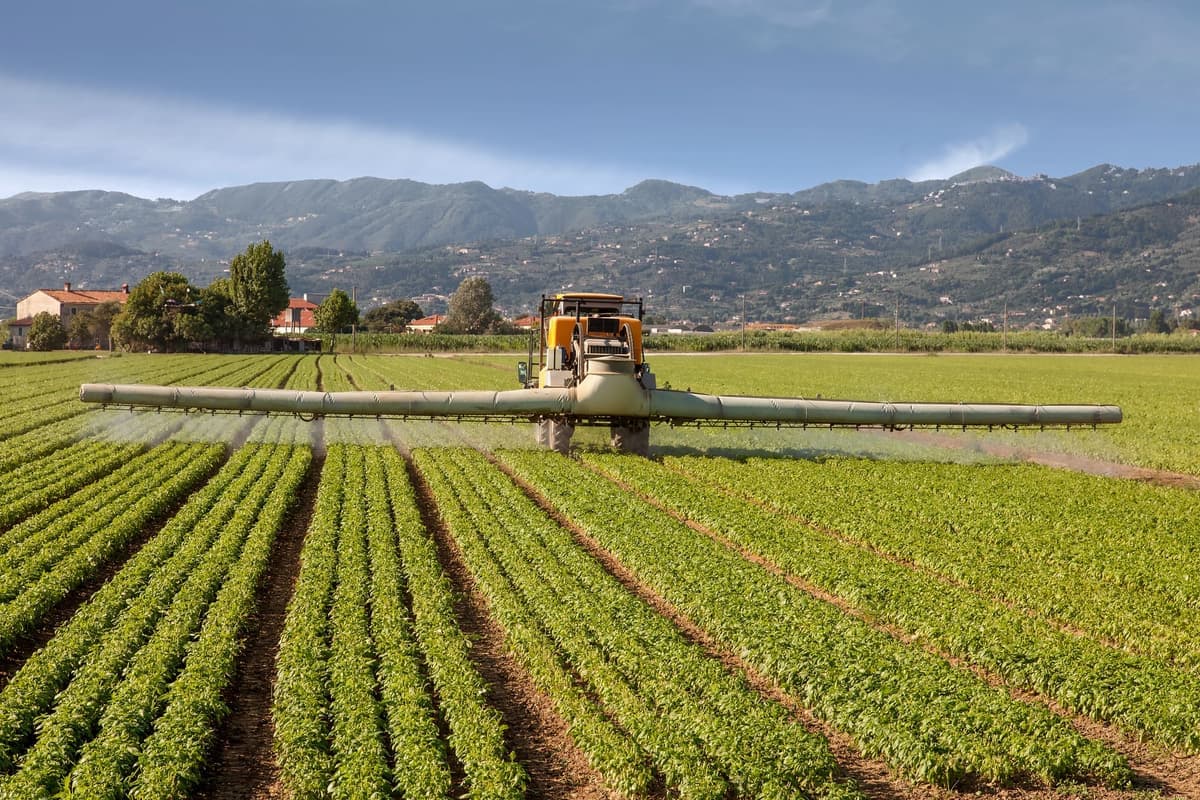
The European Commission is beginning hearings on relaxing the rules for the use of chemical pesticides in agriculture. At a European workshop, warnings were simultaneously issued about potential impacts on humans and the environment.
According to some speakers in Brussels, speeding up and simplifying approval procedures could weaken protection. Risks to public health and the environment were highlighted.
National security
Across the Atlantic Ocean, President Trump takes a different approach. He signed an order to secure the production and availability of glyphosate-containing herbicides in the United States. He wants to prevent lawsuits by residents against chemical giant Bayer from leading to a ban on the use of the 'orange maker' glyphosate.
This herbicide glyphosate is described as essential for agriculture and food supply. Trump links the measure to U.S. national and economic security. Domestic production of raw materials such as phosphorus is also given attention.
At the same time, the substance remains controversial. Concerns about health and ongoing lawsuits surrounding glyphosate are cited. Opponents point to possible risks, while supporters emphasize its importance for farmers.
Brazilian meat
The discussion is not limited to Europe and the United States. New research shows that a large share of pesticides used in Latin America are not approved in the European Union due to health and environmental concerns.
The import of meat also plays a role. Dutch BBB Member of the European Parliament Sander Smit advocates in a letter to the European Commission for a temporary halt on imports of beef after Brazilian cattle were found to have been treated with the hormone estradiol, which is banned in the EU. The final approval of the recent European trade agreement with the Mercosur countries would allow the import of much more South American meat.