The new plan is intended to make it easier for companies and investors to invest in projects that contribute to nature restoration, such as restoring wetlands, forests, or coastal areas.
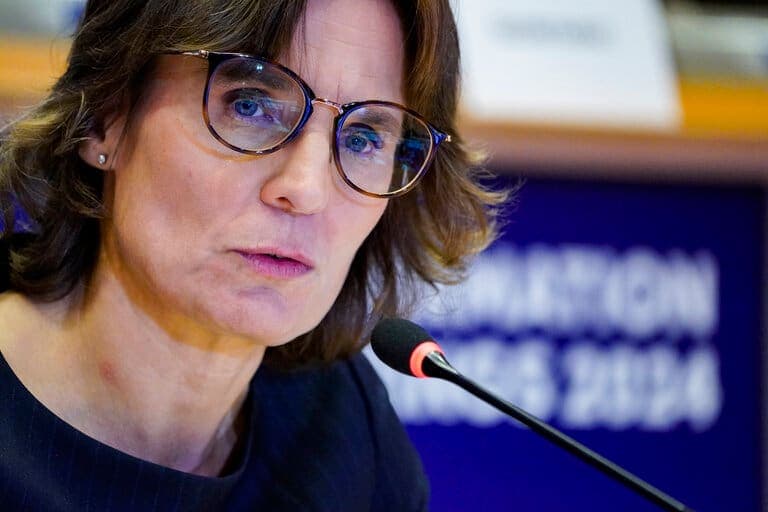
Environment Commissioner Jessika Roswal emphasizes that such investments are not only good for the environment, but can also be economically beneficial. She states that nature conservation represents a value that is currently insufficiently utilized.
With this initiative, Brussels aligns itself with previous efforts to also deploy private money for other environmental objectives. Collaboration with the private sector has been ongoing for improving air quality, reducing water pollution, and promoting sustainable farming practices. Brussels wants to apply the same logic to biodiversity with this new proposal.
Central to the plan are the so-called ‘nature credits’, a type of tradable shares meant to make a project’s impact on nature measurable. Such projects would receive a sort of EU approval stamp. The intention is to create a voluntary market for these credits alongside existing public funding.
Environmental organizations have mixed reactions. They see opportunities to provide additional investments for nature projects but warn that private money should not be seen as a replacement for government budgets. According to them, Brussels itself must continue to invest sufficiently in nature policies. Without strong public commitment, the proposal risks becoming a cosmetic solution that masks existing shortfalls.
Another concern is that the plans could lead to ‘greenwashing’, where investors buy a green image with relatively small contributions. If companies can make claims about environmental gains through nature credits without reducing their own harmful activities, this risks distracting from structural measures.
The European Commission acknowledges this risk and promises a robust framework for transparency and control. The Commission says it wants to prevent the new system from allowing abuse or unjustified claims about ecological benefits.
The plan is part of broader EU efforts to implement the Nature Restoration Law and achieve the goals of the European Green Deal. According to the Commission, tens of billions of euros annually are needed for nature restoration, and private financing can play a key role in this.