

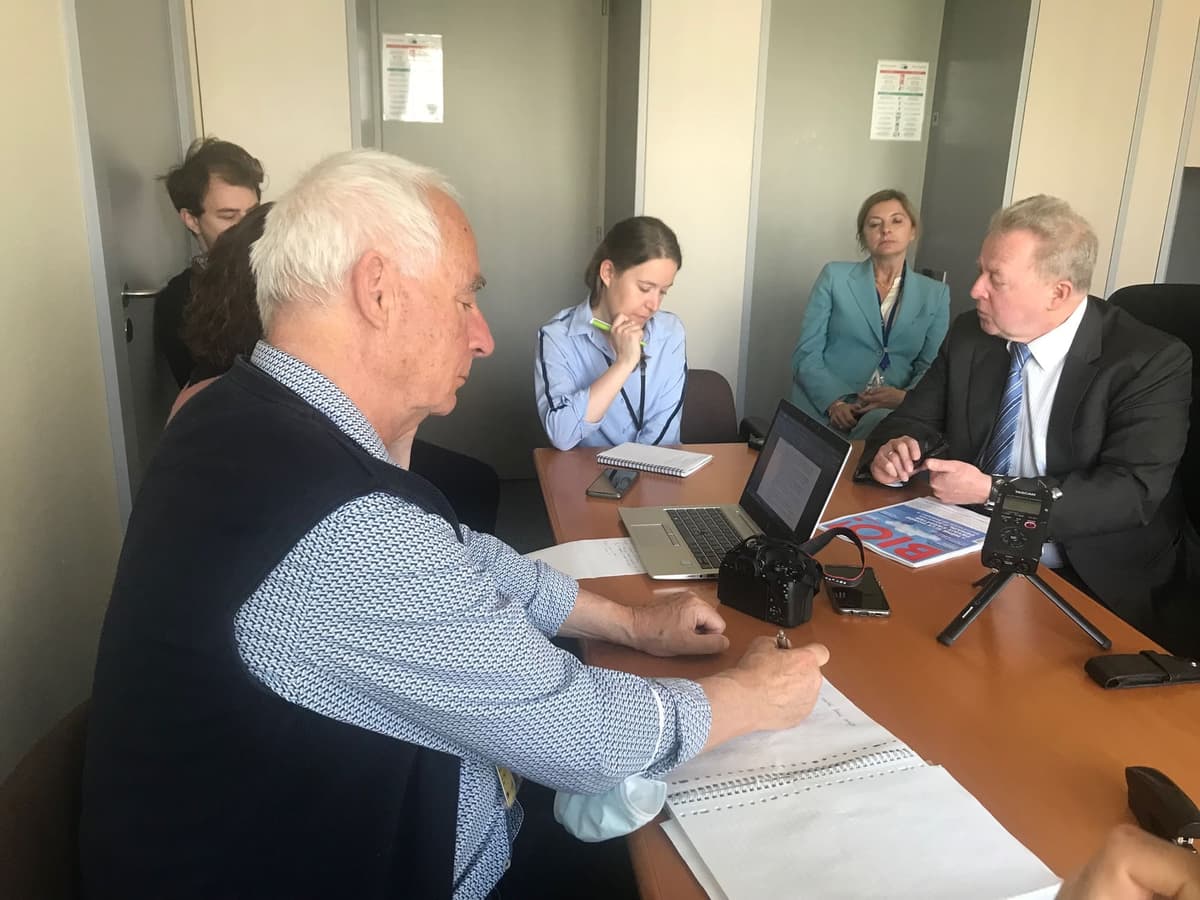
The financial aid to those five EU countries is intended as compensation for the burden their agricultural sector bears from the duty-free import of Ukrainian grain. Last week it became clear that EU President Ursula von der Leyen opposes the payment, while Agriculture Commissioner Janusz Wojciechowski insisted on it. Wojciechowski pushed for this both in his home country Poland and during an informal EU ministers' meeting in Oslo.
Von der Leyen wants to first investigate whether Poland complies with the agreements regarding the 100 million euro support for the agricultural sector in the affected countries. The five countries would stop border blockades if the EU itself would impose an ‘official’ temporary export ban on Ukrainian grain. The EU did so, but nonetheless angry Polish farmers continue their border blockades.
The financial support has become an important topic in the campaign for the Polish parliamentary elections later this year. The ruling PiS party, of which EU Commissioner Wojciechowski is a member, is trying to regain declining voter support in the Polish countryside. The disbursement of aid from the EU agricultural emergency fund could play a crucial role in these elections.
Promotion
Several EU countries, including the Netherlands, have urged the European Commission for more clarity about the agreement with the five countries. They want further explanation and guarantees that the border blockades will stop in exchange for the aid. Commissioner Wojciechowski has tried to reassure EU countries by stating that the remaining amount will be paid out to the other 22 EU countries.
This issue has not only national and regional consequences, but also broader implications within the European Union. Last week, Wojciechowski even had to contradict Polish press reports in an official EU press statement that he ‘accused’ von der Leyen of anything.
The European Commission has not yet issued an official statement about the possible decision to be made on Monday. It is expected that further discussions and negotiations will take place before a final decision is made, possibly also pending the EU Agriculture Council meeting at the end of this month in Brussels.