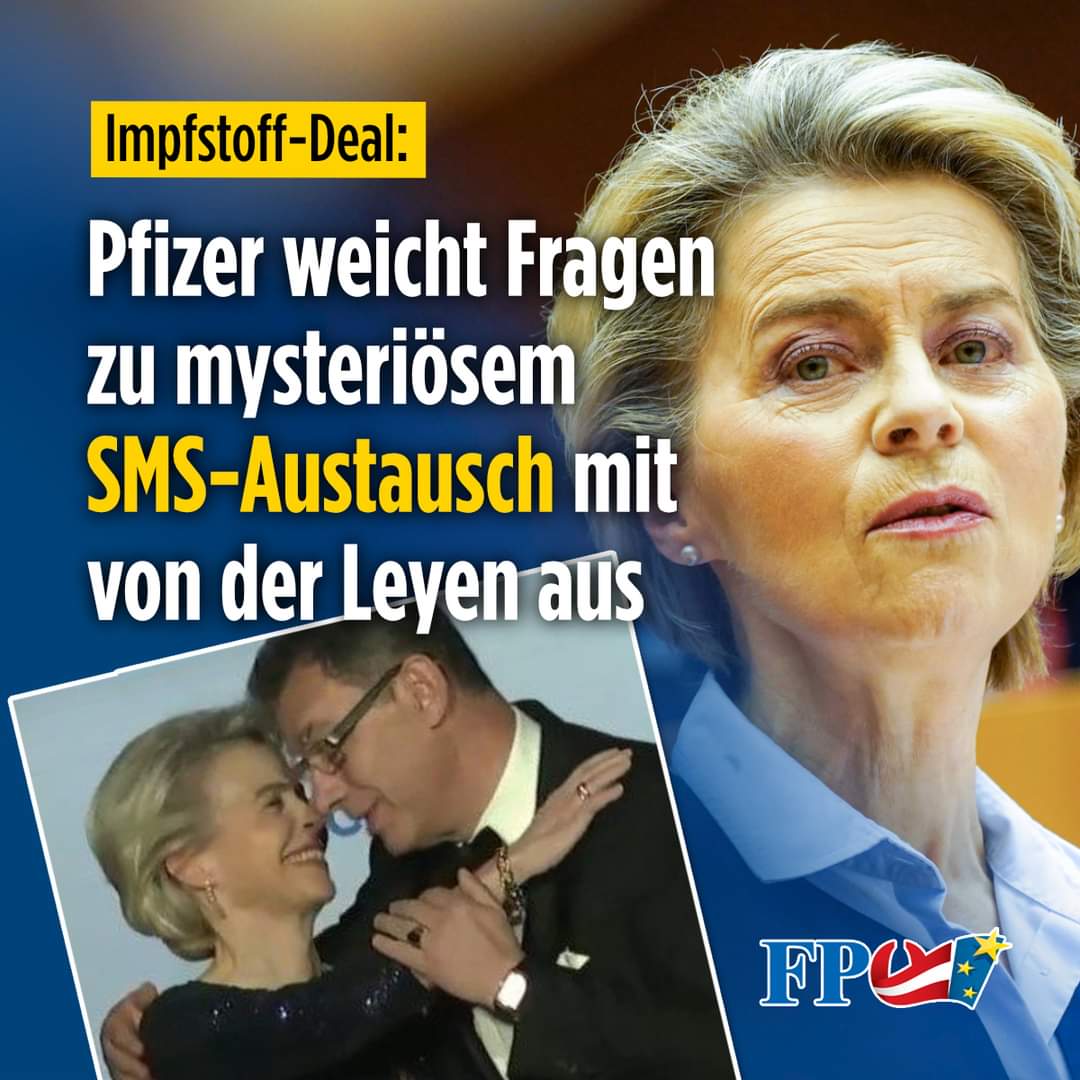
The second highest court in the EU determined that the messages contained relevant information about the 2021 negotiations regarding the purchase of Covid-19 vaccines. The court emphasized that such communication falls under transparency rules.
The ruling followed a complaint by The New York Times, which had filed a request to make the messages public. According to the court, the Commission wrongly rejected the newspaper’s request, which is contrary to EU transparency legislation.
The European Commission had maintained that text messages cannot automatically be considered documents. According to the court, this is incorrect. The format in which information is shared does not determine its status as an official document.
The judgment is seen as a significant blow to Commission President Von der Leyen, who has long been under fire for her role in the vaccine negotiations. Several sources describe this case as a litmus test for her leadership and transparency.
Despite the ruling, the Commission maintains its position that it acted correctly, as stated in an initial official response. The Commission asserts that the file was handled carefully and that it is considering further steps.
The case may have implications for how EU institutions handle modern communication forms such as SMS and apps. The ruling clarifies that these too can fall under public access if they contain relevant information.
It is still unclear whether Brussels will appeal the decision. In any case, the ruling forces the institutions to review their procedures around document access. Observers consider the verdict a victory for greater transparency in the process of European decision-making.
Dutch Member of the European Parliament Raquel García Hermida-van der Walle (Renew/D66) finds the EU Court’s ruling 'completely understandable.' On behalf of the European liberals, she will participate in negotiations on an upcoming revision of the Eurowob, the European law regulating access to documents. Her party has been working in Brussels for years to make the European Commission’s work more open and better accountable.