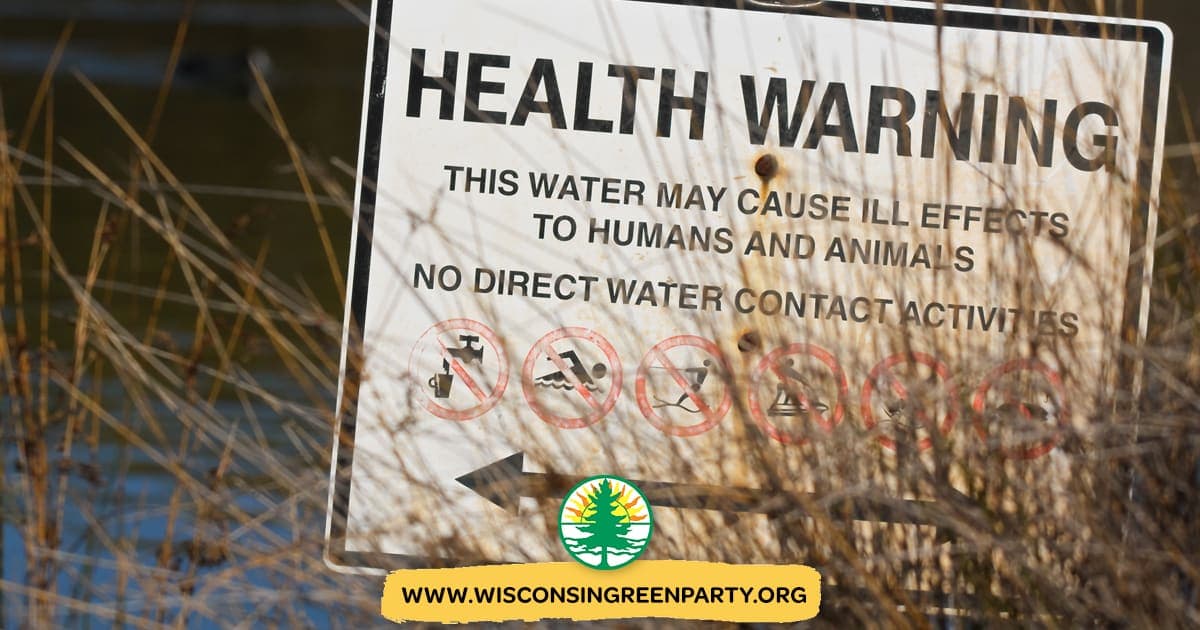
According to a new report, in 2021 less than forty percent of surface water bodies were in good ecological condition. Only 26.8% had a good chemical status, a decrease from 33.5% in 2015.
An important cause is the high nitrate load, which exceeds EU limit values at nearly a quarter of the monitoring points. This pollution is mainly caused by the use of chemical substances in agriculture and livestock farming, it is stated.
The European Commission stresses that there is an urgent need for more radical measures. Addressing the significant impact of agriculture, such as irrigation and pollution by nitrates from fertilizers, is crucial according to Brussels. However, drastic measures can be politically sensitive and may encounter resistance, a warning has already been issued.
In Germany, less than ten percent of waters are in good ecological condition, while more than half of rivers, streams, and lakes are rated "poor or very poor." The slow implementation of laws and water protection programs contributes to this situation.
The water atlas of German conservationists and the Heinrich Böll Foundation warns that Germany will likely not meet the targets of the European Water Framework Directive by 2027, which could lead to high EU fines. The European Court of Justice in Luxembourg has recently issued several EU countries a ‘last warning.’
In Germany, it appears that the repeatedly rejected stricter fertilizer law will lead to an actual EU fine. The Netherlands already faces the challenge of drastically reducing nitrogen pollution, which also harms water quality.
The German parliamentary committee for Sustainable Development has found that environmental and agricultural policies have seen little progress in recent years. The committee stresses that current measures are insufficient and that a change of course is needed. Without accelerated reforms, the environmental objectives will not be met.
The committee advises the new German government to allocate more financial resources and manpower for environmental protection and sustainable agriculture. This includes investments in research and strengthening enforcement of environmental rules.
Enforcement of environmental laws in agriculture is particularly problematic in Germany because responsibilities and budgets are divided among the federal government in Berlin, the states, and municipal authorities.
A broad alliance of water workers has called on the future German government to include climate adaptation in the constitution. By establishing climate adaptation as a common task, cooperation between federal, state, and municipal governments would be legally anchored and funding guaranteed.