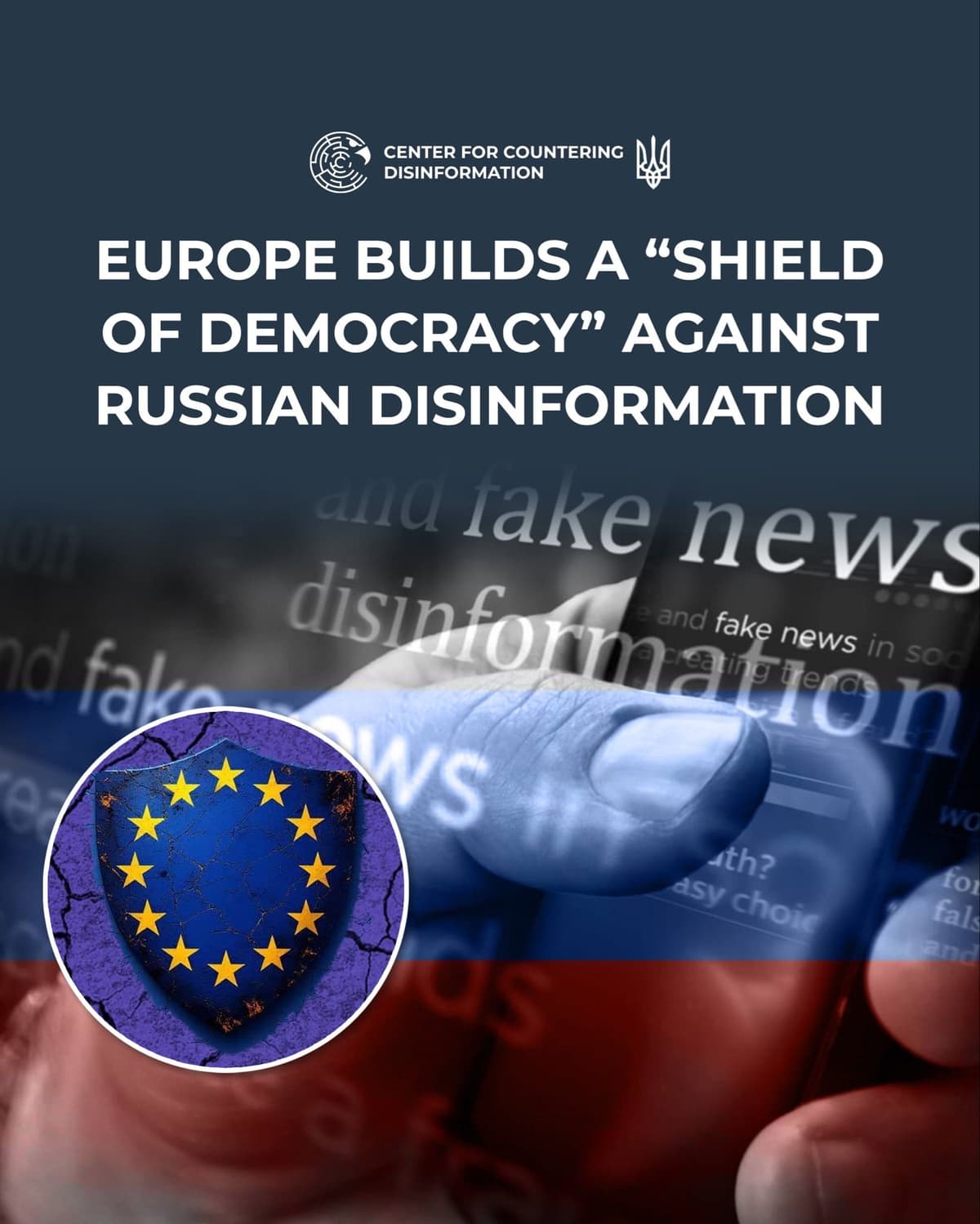
The new European Centre for Democratic Resilience is intended to help EU countries identify and address misleading messages, organized disinformation, and other forms of interference more quickly. It will also tackle warnings against Russian troll factories operating on social media platforms such as Facebook and Twitter.
The European Commission emphasizes that foreign attempts at influence are increasing, with Russia playing a significant role. According to the Commission, such campaigns aim to sow unrest, increase distrust among EU residents, and influence political decision-making.
The initiative aims to help EU citizens better understand the origins of information and how it is used.
The Democracy Shield focuses on three main objectives: protecting the information space, strengthening elections and democratic institutions, and enhancing the resilience of society. Together, these three approaches aim to prevent misleading Russian information from gaining influence in EU countries.
EU Justice Commissioner Michael McGrath will lead the new centre. He says the EU must respond more swiftly to large-scale attempts to disrupt public debate and that EU countries should better pool their knowledge and resources.
Many of the measures Brussels is considering fall under existing European digital regulations. For example, a European network of fact-checkers will be established. This network will be able to verify information in all EU languages and clarify the sources and dissemination of messages.
Besides protection, the Democracy Shield also focuses on supporting independent media. Additional support will be provided for local and independent journalism so that citizens retain access to reliable news sources. This aims to prevent misleading Russian propaganda from dominating public debate.
There is also criticism of the new anti-Moscow watchdog. Some organizations and politicians fear that the Shield may gain too much influence over what people are allowed to say or read. They warn that measures against deception must not become control over freedom of expression.
The European Commission acknowledges these concerns but states that the Shield is not intended to restrict opinions. According to Brussels, it should ensure that EU citizens can trust a public sphere free from hidden foreign influence or organized deception.
The ultimate goal is to better protect citizens from deception and ensure that elections remain fair. Brussels says the new Democracy Shield will help strengthen these democratic values in a time of rapid digital change.