

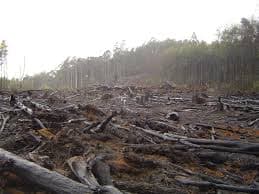
This is the second time the law's launch has been delayed. The plan aims to prevent products like coffee, cocoa, beef, and soy, which have been cultivated on cleared forest or jungle land, from entering the European market. Companies must be able to prove that their goods are deforestation-free.
According to Brussels, the delay is necessary because the digital platform that must process millions of declarations is not yet functioning properly. Without that system, customs and companies would not be able to operate as the law prescribes.
Environmental organizations react angrily. They believe that Brussels is once again yielding to economic interests and fear that forests worldwide will remain threatened for longer. According to them, this decision undermines consumer trust, as consumers count on their daily purchases not contributing to deforestation.
Promotion
There is also great division in the European Parliament. Groups on the conservative side believe the postponement allows for making the rules more workable. Others see it as a sign of weakness and fear that important agreements on nature and climate policies will be further eroded.
Farmers and forestry organizations, on the other hand, respond with relief. They find the rules too complicated and too heavy to implement. According to them, fewer administrative obligations and clearer agreements would help make the law practically enforceable.
This is not the first time the introduction has been postponed. Last year, the law was also implemented a year later, then citing that companies needed more preparation time. Now the reason is mainly technical: the software that must track everything cannot yet handle the volume of data.
Meanwhile, political pressure is also growing. Last summer, eighteen EU countries already requested simplification of the rules. They believe Brussels demands too much from companies and advocate for a less strict approach.
The proposal to postpone the law is now going to the member states and the European Parliament. There it must be determined whether the politics opt for a swift implementation or another delay.