The EU imports agricultural and food products worth approximately 160 billion euros annually. With the new controls, Brussels wants to ensure that all these products comply with European regulations.
With this, the EU apparently hopes to remove uncertainty among European farmers regarding the possible consequences of the free trade agreement with the South American Mercosur countries. They fear a surge of cheaper food products cultivated and bred using chemical agents that EU farmers are not allowed to use.
According to the European Commission, the measures are not aimed at specific countries or regions. The tightening applies to all trading partners, they say. However, the Commission emphasizes that the stricter controls are separate from the debates about Mercosur.
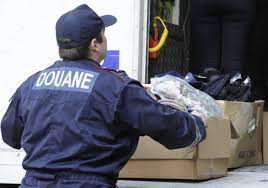
The tightening of controls applies both at the outer borders of the Union and in the exporting countries themselves. The European Commission intends to conduct fifty percent more inspections in exporting countries over the next two years to verify whether production and processing meet European standards.
In addition, controls within the EU are being expanded. The number of audits at European border control points, especially in ports, will be increased by 33 percent. With this, the Commission wants to verify whether customs in EU seaports are properly conducting the mandatory checks and, where necessary, intervene.
To streamline this, the Commission is setting up a special task force. Investments will also be made in additional expertise. Approximately five hundred employees of national authorities will receive training in the area of official controls. These trainings focus on recognizing prohibited substances and on the correct procedures for violations.
The measures were announced by the European Commissioner for Health and Animal Welfare, Olivér Várhelyi. He did so after consultations with various stakeholders. According to the European Commission, this consultation is a regular part of preparing the enhanced approach.