

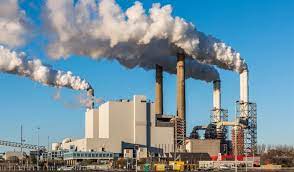
Just six months after presenting the EU Climate Plans to combat global warming, the European Commission has now announced five new proposals to further reduce methane and nitrogen emissions. This reduction is mainly sought by transitioning from polluting energy sources (such as natural gas and coal) to clean energy, like hydrogen.
The energy sector (i.e., power plants and GasUnie) has until 2030 to cut part of their methane emissions. Measures under consideration include repairing leaking gas pipelines and flaring off remaining gas.
Methane (CH4) is, after carbon dioxide (CO2), the most important greenhouse gas contributing to global warming. When released into the atmosphere, it is 80 to 100 times more potent than CO2. Methane accounts for a quarter of human-caused global warming. It is invisible to the naked eye.
Promotion
Methane is currently insufficiently regulated in Europe. With new methane legislation, the European Commission aims to tackle emissions in the energy sector, with a limited mandate until 2030, and expansion thereafter.
Methane disappears from the atmosphere after about 15 years. If emissions were to stop now, the planet would notice within 15 years. No new methane would be added, and atmospheric methane levels would decline. The greenhouse effect would even decrease. However, reducing methane alone is not sufficient to stop global warming.
Part of natural gas usage will be replaced by hydrogen in the future. Therefore, the European Commission is revising gas legislation and adding rules about hydrogen. To establish a market for hydrogen, regulations on market organization, infrastructure use, and consumer rights will be introduced.
The large-scale development of hydrogen gas is still in its infancy, but engineers and technicians already claim it will be the gas of the future.
Earlier this week, the Institute for Agriculture and Trade Policy (IATP) presented a new study on the environmental impacts of the 35 largest meat and dairy corporations in Europe. According to IATP, these companies are responsible for 7 percent of the EU's greenhouse gases. Among the 35 companies studied are FrieslandCampina, Danish Crown, Nestlé, and Danone. The study examined their climate plans and emissions within their supply chains.
Eighty-six percent of all meat and dairy in the EU comes from 10 European countries: Germany, France, Spain, Poland, Italy, the Netherlands, Denmark, Ireland, Belgium, and the UK. For a transition in European agriculture, these 10 countries must take the lead, according to the researchers.
The authors note that no dairy or agricultural company considers reducing herd size as a possible solution. The rapidly rising meat exports are also cited as a cause of increasing emissions.
No EU country holds these large agro-corporations partly responsible for emissions in their supply chains, even though agricultural emissions have increased over the past ten years. While the EU prepares to launch the 'carbon farmers' (CFI, Carbon Farming Initiative) as part of the Green Deal, EU countries should require the meat and agro-industry to reduce their emissions, argues the IATP.
Only three companies studied (Nestlé, FrieslandCampina, and ABP) have announced plans to reduce their total supply chain emissions. The IATP concludes that many large agro-companies barely have climate plans or targets. Even companies that do have them are accused of “greenwashing” and presenting themselves as more environmentally friendly than they really are.