Many EU countries are pushing for uniform criteria and standards for food quality, as emerged on Monday during the monthly meeting of EU Agriculture Ministers. They believe current checks are insufficient. They are calling for increased monitoring of imported products, with an emphasis on quality and safety.
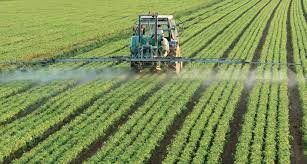
An important focus is the presence of residues of chemical pesticides. Controls must explicitly target substances banned within the EU. Twelve ministers stated that imports should meet the same standards as products from the EU. Without this parity, they argue, unfair competition arises because EU farmers are bound by stricter requirements.
Pressure on the European Commission is mounting. Several countries are acting jointly and requesting concrete measures. They want commitments on additional controls and enforcement to be promptly implemented in practice.
In addition to stricter controls, calls have been made for structural monitoring. Countries are asking for regular, recurring reports on the quantities of food imported from outside the EU and the effects on national markets, not just at the EU level.
Five Eastern European countries believe this monitoring should focus primarily on imports from Ukraine, but this is not widely agreed upon. The European Commission points out that new import rules with Kyiv were only recently agreed upon, including a 'safety brake' if market disruption arises.
The exact extent of the tightened controls is not yet clear. It has also not been decided which agricultural products will be examined first or how frequently checks will occur.
Uncertainty remains regarding the timing, scope, and financing of the measures. The European Commission must further elaborate on these points before it becomes clear how the stricter supervision will be applied in practice.