

The European Commission wants to modernize and simplify the rules for preparing the annual budgets of EU countries. This could also rekindle the debate over the amount of their annual contributions to the EU. In particular, the European budget rules in the so-called Stability and Growth Pact are too complex.
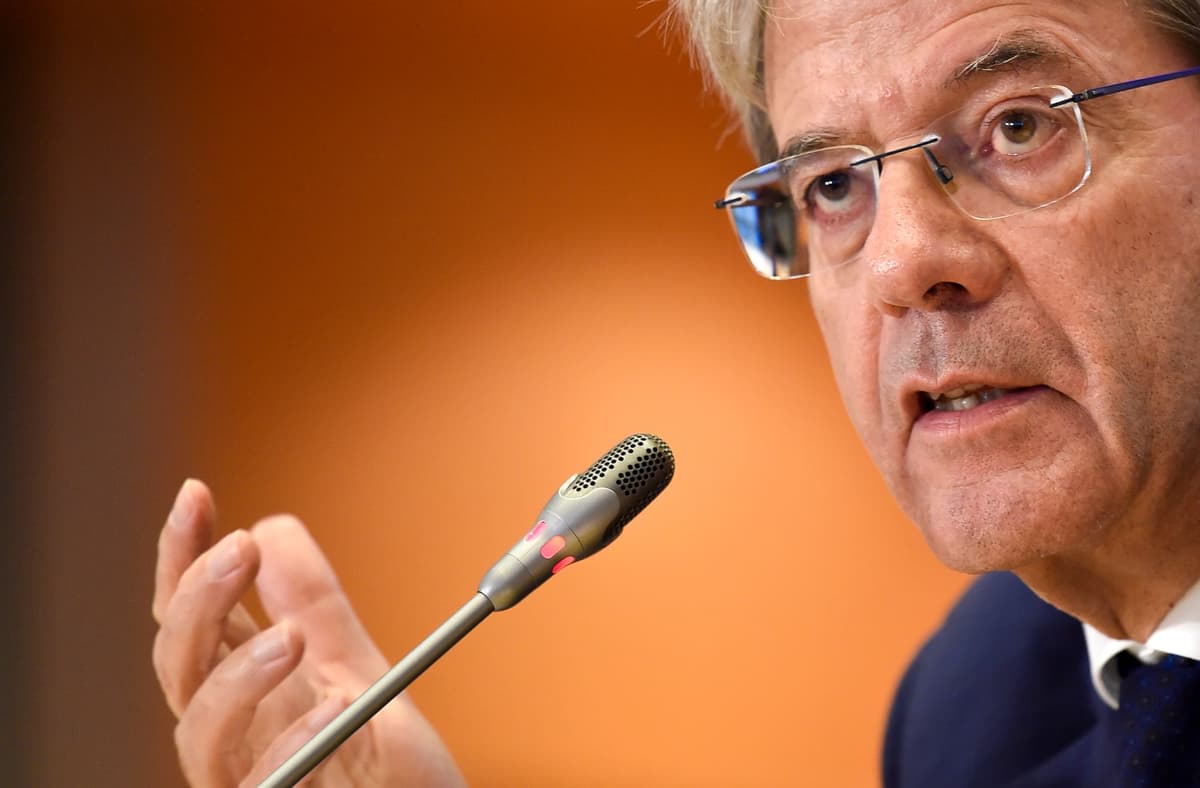
According to EU Commissioner Paolo Gentiloni (Economy), the current economic situation in EU countries is also different than it was ten years ago. Stability remains the primary goal, but urgent measures are needed to stimulate economic growth, and we must launch massive investments to tackle climate change, Gentiloni said.
The current budget rules stipulate, among other things, that the budget deficit of a eurozone country may not exceed 3 percent of gross domestic product (GDP), and government debt no more than 60 percent of GDP. If an EU country does not comply, other EU countries intervene because excessive deficits in one country can put pressure on the euro exchange rate, which can also negatively impact other EU countries. Moreover, countries experiencing poor economic conditions may, in some cases, be eligible for financial support from EU funds.
Promotion
The announcement of the study into new economic criteria for EU budgets roughly coincides with the special EU summit that EU President Charles Michel will hold in Brussels in two weeks concerning the EU multiannual budget. The heads of government and ministers of the EU countries are divided over the maximum level of EU expenditures, as they do not want, or only want to minimally increase, their annual national contributions.
Therefore, the Commission invites stakeholders—including other European institutions, national authorities, social partners, and the academic world—to express their opinions in a debate on how the system for economic supervision and control can be improved. The European Commission aims to have the new agreements finalized by the end of this year.
Most EU countries favor simplifying the budget rules, but EU finance ministers are deeply divided on how to approach this. The current rules work well to reduce budget deficits, as was recently evident in Italy and Greece, but not to reduce surpluses in other EU countries. Some countries believe that the Netherlands, in particular, should utilize more of its savings and reserves in support of weaker EU countries.
Dutch Minister Wopke Hoekstra has previously argued that European rules should lead to sustainable public finances. He has also clarified in Brussels that the Dutch “reserves” calculated by the EU give a distorted picture because Brussels also counts pension fund money.
In many EU countries, pension income and assets are based on a taxation system, allowing pension funds to be more or less controlled by the government. In the Netherlands, pension funds are owned by employers and employees, not the government, and pension reserves are not a national reserve.