The interim target for 2040 is seen as a crucial step towards full climate neutrality by 2050. There is disagreement over the level and specifics of the goal. Environment ministers discussed the plans on Thursday but indicated afterward that the heads of government can still make the final decision next month.
The heads of state and government will address the issue on October 23 in Brussels. Afterwards, the Danish EU Presidency will convene an additional meeting of environment ministers. The division comes at a sensitive moment. Europe must submit credible proposals in time for the upcoming United Nations climate summit.
Without an agreement, EU countries risk undermining the EU’s international role as a climate leader. As an emergency solution, a 'temporary signal' has now been agreed upon. Such a 'declaration' would be directional but would not include a binding figure but rather a target number. This should provide clarity to the outside world while leaving room internally for further negotiations.
An important point of contention is whether investments outside the EU may be counted as emission reductions. Supporters see foreign carbon credits as an opportunity to reduce emissions faster worldwide and to support innovative projects. Opponents fear this would remove the incentive for countries within the EU to do more themselves.
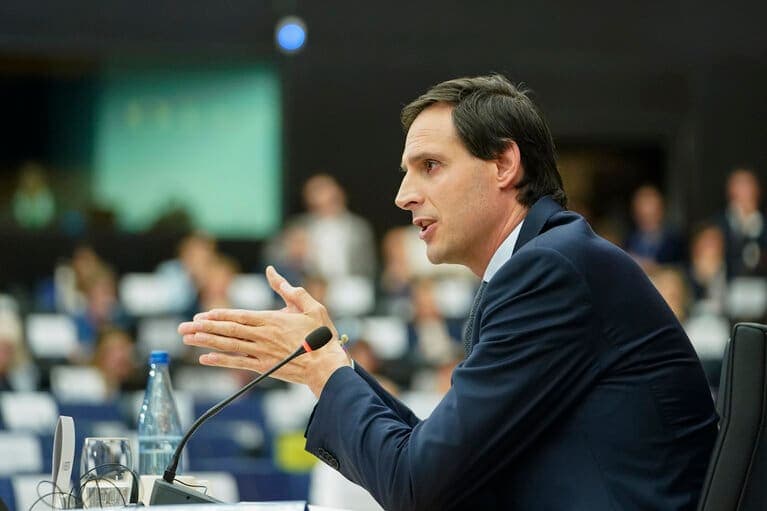
Climate Commissioner Wopke Hoekstra emphasizes that the 2040 goal is essential to stay on track towards 2050. Without a clear interim step, the ultimate goal of climate neutrality risks blurring. At the same time, some countries point to the need to weigh economic impact and energy security.
Countries such as Hungary, Slovakia, the Czech Republic, and Malta oppose an overly ambitious text, and even large countries like Germany and France are cautious. On the other side are countries like Spain and Sweden, which do not want to set the bar too low. The current EU Presidency (Denmark) aims to reach a compromise this autumn.
What is clear is that the debate over the 2040 target will remain a central issue in European politics in the coming months. The outcome will be decisive for Europe’s credibility as a global climate actor and for the direction the continent takes in the coming decades.
Recently, voices in many EU countries have increasingly expressed concerns that the EU faces enormous financial commitments in the coming years (such as industrial restructuring, building up European Defense, etc.), and that previously promised investments and subsidies for Climate and Environment will have to be postponed in the long term.